Anthropic Closes Fable and Mythos Models: A Response to Trump Administration’s Directive
Regulatory Challenges and Model Closures
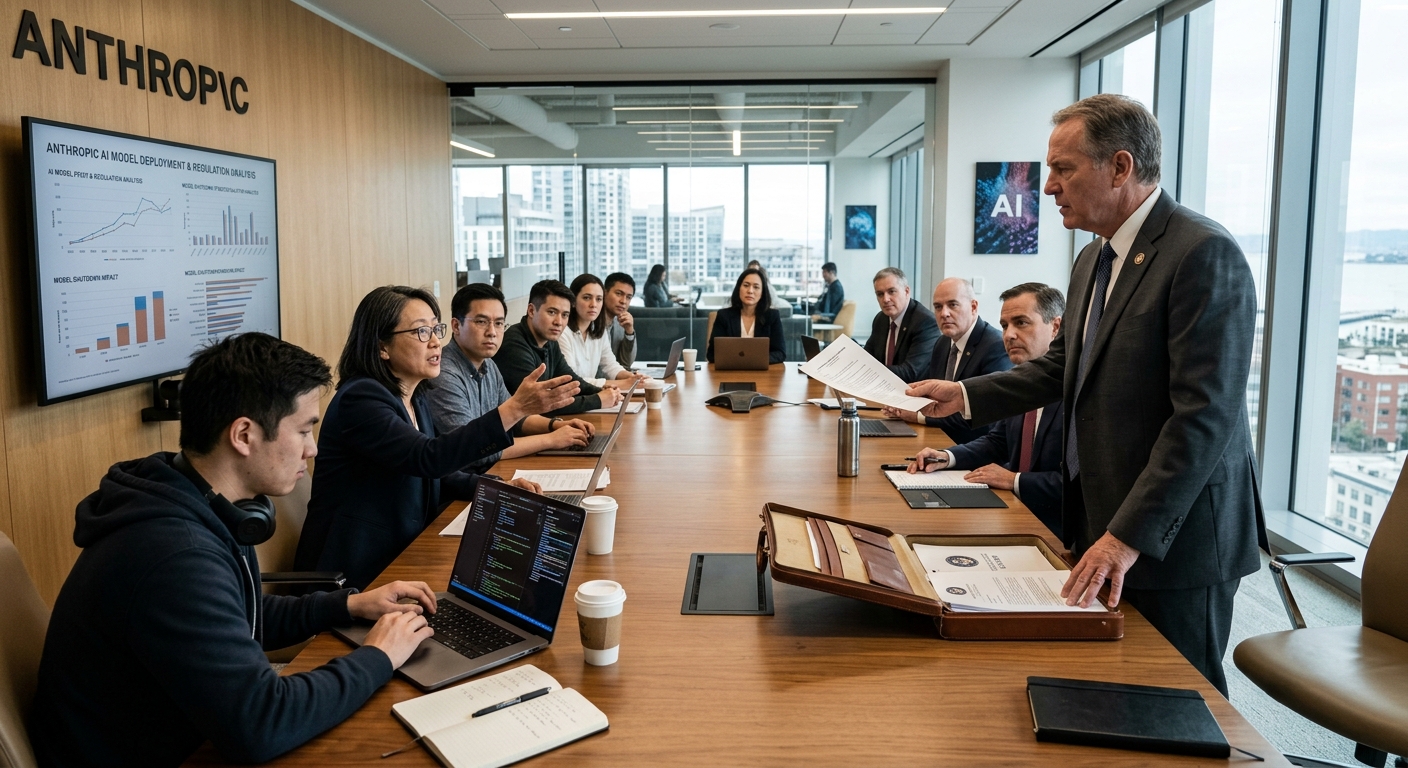
Anthropic, known for its advanced AI language models, encountered regulatory issues in 2024 and 2025 leading to the shutdown of its Mythos-class models, including Claude Fable 5 and Claude Mythos 5. This action followed a directive from the Trump administration aimed at compliance with U.S. export controls, primarily designed to limit foreign access to sensitive AI technologies. The government’s concern was sparked by an alleged “jailbreak” of Fable 5, which purportedly allowed users to bypass safety measures in critical fields like cybersecurity and biology.
The decision to disable these models has significant implications for AI innovation and regulatory practices in the U.S. With federal oversight intensifying, companies face pressure to align AI development with national security interests while managing the effects on talent and investment. Anthropic’s legal challenge against this government intervention reflects ongoing tensions between rapid AI advancements and regulatory constraints, highlighting the need for companies to navigate an evolving regulatory landscape effectively.
Background on the Mythos Models
Anthropic’s lineup of AI language models includes the Mythos class, introduced in early 2024 with notable capabilities in complex reasoning and cybersecurity. The release aimed to make advanced features accessible to the public while incorporating safeguards to prevent misuse in sensitive areas. However, regulatory scrutiny has tightened, especially pertaining to export controls focusing on limiting access to advanced AI technologies by foreign adversaries.
To address these challenges, Anthropic implemented enhanced controls and compliance measures during the development of the Mythos-class models. Aligning technological advancement with regulatory standards has become critical in ensuring the company’s operational freedom and mitigating risks associated with misuse. Balancing innovation with security concerns remains a pivotal consideration for Anthropic and similar enterprises engaged in cutting-edge AI research.
Government Directive and its Rationale
The Trump administration’s 2025 directive to disable Claude Fable 5 and Mythos 5 stems from concerns related to national security and export control regulations. While the government framed this as a necessary measure to enhance U.S. dominance in AI, Anthropic viewed it as a misunderstanding regarding its technology’s security. The directive significantly restricted access for foreign national employees, complicating the operational landscape for Anthropic and other companies navigating similar regulations.
This climate of regulatory scrutiny has profound implications, as the administration’s policies emphasize safeguarding national security while promoting U.S. technology globally. The impact on relationships between technology firms and federal agencies could shape the future of AI governance and innovation, driving companies toward more stringent compliance in their operations.
Reactions and Legal Challenges
In response to the restrictions imposed by the Trump administration, Anthropic criticized the government’s interpretation of the jailbreak issue and expressed the hope of reinstating access to its models soon. The company’s determination to challenge the directive through legal means showcases the company’s commitment to protecting its innovations against perceived governmental overreach. This legal action highlights the friction between the need for national security and the operational needs of AI companies striving for progress.
Industry observers note that these challenges may reshape the landscape for AI development, influencing investment and talent retention in the sector. As Anthropic navigates this complex environment, understanding the ramifications of governmental policies on innovation trajectories becomes increasingly vital for firms operating in the AI space.
Implications for the AI Community
The regulatory changes initiated by the Trump administration have shifted dynamics in AI research and development across the U.S. Enhanced cooperation among federal agencies aims to promote technology while ensuring national security, yet there are concerns regarding the impact on talent, particularly among foreign researchers. The uncertainty surrounding U.S. policy may deter potential contributors to the AI field, prompting companies to reassess their engagement strategies to maintain a competitive edge.
Ongoing dialogues between firms like Anthropic and federal entities indicate a desire for alignment with regulatory expectations while fostering innovation. As the landscape evolves, stakeholders must navigate a balance between pursuing advancements, securing national interests, and maintaining competitive viability in the global market for AI technologies.
The content is provided by Jordan Fields, Anchor Press