
Trump Administrations Coal Investments: Supporting Plants with Continual Violations
Summary of the Trump Administration’s Coal Industry Support
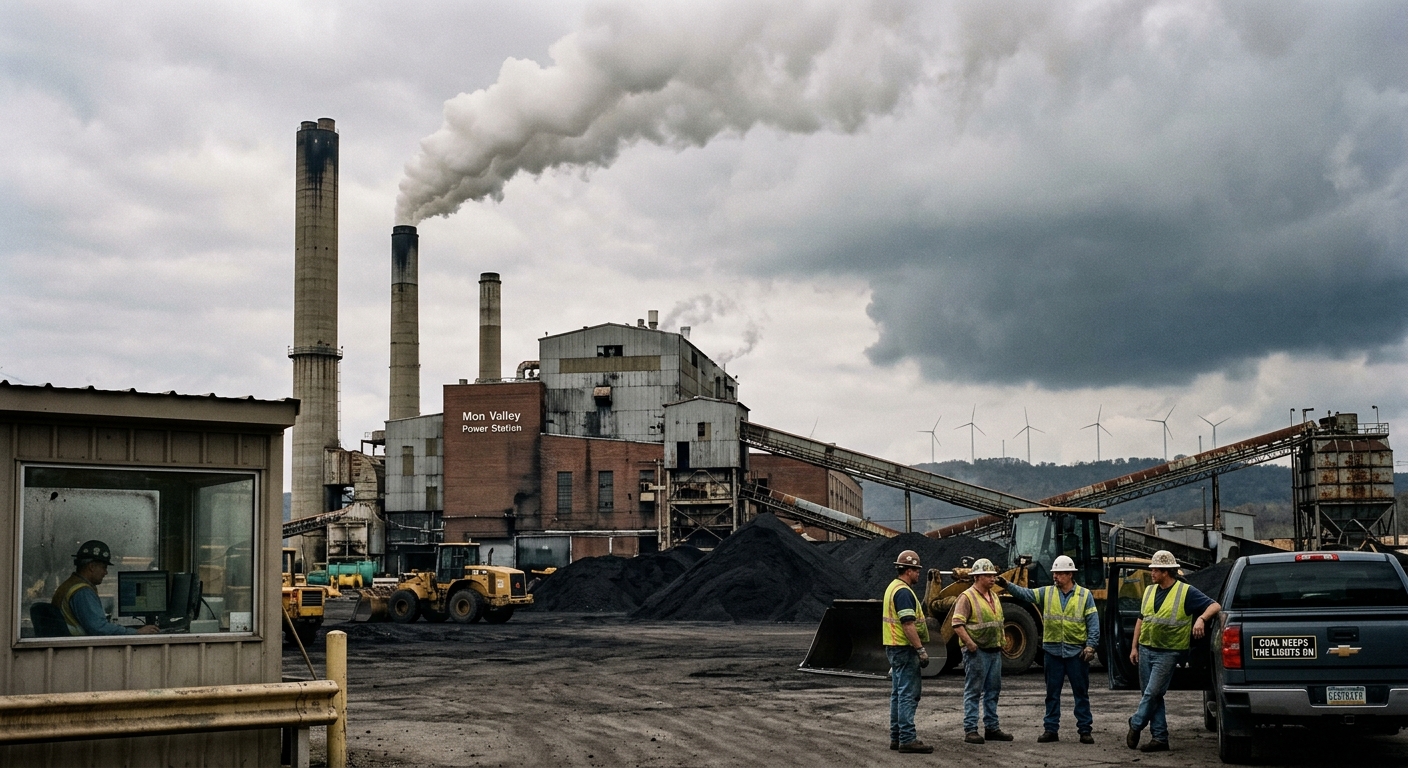
The Trump administration invested nearly $700 million to sustain the U.S. coal industry, focusing on extending the operation of 13 aging coal-fired power plants and promoting new coal projects, especially in Alaska and West Virginia. This came amid a significant decline in the coal sector, attributed to automation and a shift toward cleaner energy sources. Critical to this initiative was the rollback of environmental regulations, notably granting coal plants exemptions from pollution controls, which raised concerns about public health impacts due to documented histories of regulatory violations at many supported plants.
Government Initiatives and Regulations
Utilizing a Cold War-era national defense law, the administration’s strategy aimed to bolster coal’s economic viability by freezing environmental regulations. This included changing the Environmental Protection Agency’s Mercury and Air Toxics Standards to lessen compliance burdens for older coal plants, justified on the grounds of energy stability and rising demand. However, this approach faced criticism from both public health advocates and environmental groups, who noted the risks of increased pollution and health issues for communities near these facilities.
Emergency Measures and Clean Energy Impacts
Trump’s administration utilized emergency powers to delay coal plant retirements, a strategy met with legal pushback from state officials and environmental advocates concerned about the legality of such orders. In parallel, measures to obstruct the growth of clean energy projects, combined with minimal support for renewables, highlighted a significant policy divergence from broader energy trends emphasizing sustainability. Despite claims of enhancing grid reliability, relying on aging coal plants raised questions about their operational feasibility amidst increasing maintenance costs.
Financial Support and Environmental Accountability
The federal fiscal support for coal plants resulted in a controversial funding strategy, diverting resources toward projects with precarious environmental compliance records. Numerous supported facilities have faced repeated violations of air and water pollution regulations, underscoring the potential for ongoing environmental degradation. Critics have raised concerns that such funding exacerbates pollution without guaranteeing improvements or tangible benefits to local communities, focusing intensively on the need for better regulatory practices and accountability for environmental standards.
Public Health Implications of Coal Operations
Communities in proximity to coal plants have encountered serious public health challenges, with exposure to environmental pollutants linked to increased health risks, including respiratory illnesses and higher mortality rates. Disadvantaged groups have been particularly affected, struggling with compounded health risks due to both pollution and socio-economic factors. The tangible health impacts from coal emissions further illustrate the urgency for assessing the long-term viability of continued coal operations under reduced regulatory frameworks.
Critique of Policy and Community Impact
The Trump administration’s support for coal plants has ignited substantial criticism from environmental advocates citing a lack of transparency and community engagement in energy policy decisions. Reversing previous commitments to close certain highly polluting plants has led to increased concerns about local environmental health and a general sense of distrust regarding the decision-making processes influencing public utilities. These policy shifts indicate a broader trend toward prioritizing coal interests despite the growing support for renewable energy projects in the U.S.
Assessing the Long-Term Outcomes of Support for Coal
The administration’s actions in favor of coal have resulted in complex impacts on energy markets and public health, illustrating the difficulties in balancing economic support for coal with environmental regulations. While some coal facilities benefitted from temporary regulatory relief, the practicality of future investments in such infrastructure remains uncertain given the shifting energy landscape favoring renewables. The long-term health and environmental consequences for communities reliant on coal further underscore the importance of critically evaluating the sustainability of such energy policies moving forward.
Comparative Analysis of Coal Policy Across U.S. Administrations
The approach to coal support during the Trump administration marks a distinctive pivot from previous administrations, which engaged in more measured regulatory relief. By invoking emergency powers to sustain coal operations, the Trump administration established a precedent that raised alarms over legal and environmental accountability. As the Biden administration emphasizes a transition toward cleaner energy, contrasting their policies with the Trump era illuminates the ongoing debate surrounding coal’s role in the broader U.S. energy policy framework and its environmental ramifications.
The content is provided by Sierra Knightley, Anchor Press