Foundations of Service: Early Life and Education
Lindsey Graham’s early life in Central, South Carolina, within a blue-collar family operating a restaurant and pool hall, provided a foundational understanding of hard work and community values. This upbringing instilled in him a strong drive, evident in his becoming the first in his family to pursue higher education. His academic journey at the University of South Carolina culminated in a Bachelor of Arts in psychology in 1977 and a Juris Doctor in 1981, laying the groundwork for both his legal and military careers.
The profound influence of his hardworking family and the early loss of his parents significantly shaped Graham’s mature outlook and sense of responsibility from a young age. This personal resilience and commitment to service were quickly channeled into public life, as he was commissioned into the U.S. Air Force Judge Advocate General’s Corps (JAG Corps) in 1982 shortly after law school. His initial steps into military service directly reflected a character forged by his formative experiences, indicating a clear trajectory towards a life dedicated to public duty.
Shaping Policy Through Military Experience
Lindsey Graham’s extensive military career, spanning over three decades in the U.S. Air Force, provided him with a unique and influential perspective on national security and foreign policy. Beginning with his commission in 1982 and culminating in his retirement as a colonel in 2015, his service included active duty during the Persian Gulf War and numerous Reserve assignments. This deep engagement in military operations, often undertaken during congressional breaks, directly informed his legislative priorities and established his credibility as a voice on defense matters.
His specialized role as a Judge Advocate General (JAG) officer and military appellate judge was particularly instrumental in shaping his military and public service. Graham’s expertise in military justice and administrative law led to his appointment as a reserve appellate judge on the United States Air Force Court of Criminal Appeals in 2003, showcasing his significant legal acumen within the armed forces. Furthermore, his service as a senior legal adviser in Iraq and Afghanistan from 2009 to 2014, where he oversaw military prisoner detention, earned him the Bronze Star Medal in 2014, validating his direct contributions to critical military operations.
These firsthand experiences in uniform consistently underpinned Graham’s positions on defense, foreign policy, and counterterrorism throughout his political career. As a senior senator, he frequently leveraged lessons learned from his deployments and legal service in conflict zones to advocate for robust U.S. defense strategies and interventions. His military background thus served not merely as a biographical detail but as a fundamental pillar of his legislative identity, offering a practical foundation for his influential voice on global security issues.
Navigating the Political Landscape: House and Senate
Lindsey Graham’s political ascent began in the South Carolina House of Representatives before he secured a seat in the U.S. House in 1994, marking a significant Republican breakthrough in his district. During his eight years in the House, he quickly established a national profile, notably serving on the House Judiciary Committee and as an impeachment manager during the trial of President Bill Clinton. This early exposure to high-stakes national politics prepared him for a more prominent role on the federal stage.
His election to the United States Senate in 2002 initiated a long and influential tenure, marked by his consistent reelection and a growing focus on defense and foreign affairs. Graham became a vocal advocate for robust military spending and U.S. interventions abroad, particularly concerning Ukraine and Iran, reflecting his deep-seated national security convictions. He also demonstrated a capacity for bipartisan engagement, notably as a member of the “Gang of Eight” seeking comprehensive immigration reform, which showcased his willingness to bridge political divides on complex issues.
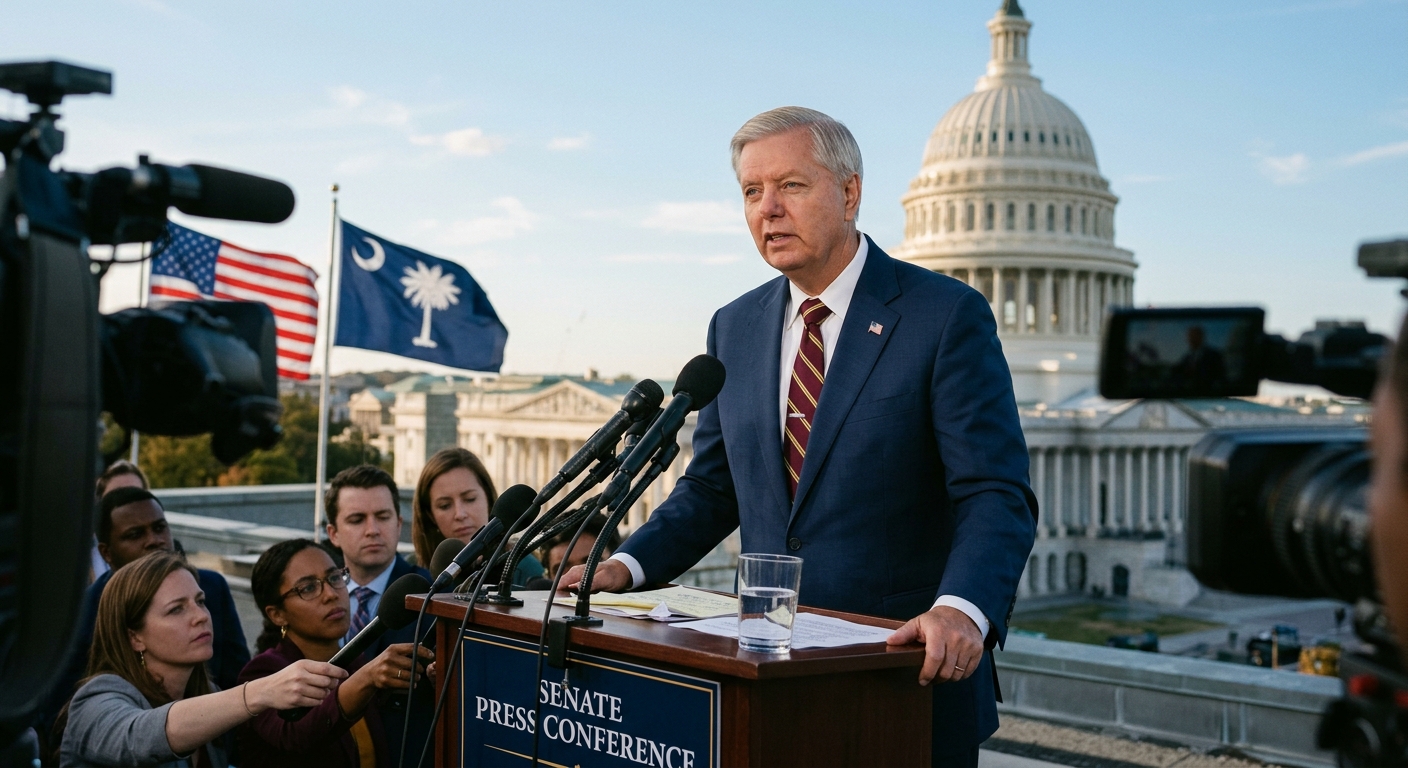
Throughout his Senate career, Graham assumed critical leadership positions, including chairing the Senate Judiciary Committee and the Senate Budget Committee, which amplified his influence over federal policy and judicial appointments. His evolving relationship with President Donald Trump, transitioning from an initial critic to a close congressional ally, underscored his pragmatic approach to political power and his significant role in confirming judicial nominees during that administration. Graham’s legislative efforts, spanning international affairs, law enforcement, and immigration, coupled with his effective statewide outreach, solidified his position as a prominent and enduring figure in American politics until his passing in 2026.
Legislative Influence and Policy Stances
Lindsey Graham’s policy influence was most pronounced in national security and foreign affairs, where his consistent advocacy for robust military interventions aligned with long-term U.S. interests. As a frequent visitor to troops overseas, he became a leading conservative voice, shaping Republican foreign policy, particularly during the Trump administration, with his stances on issues like Ukraine, Iran, and Venezuela. This deep engagement underscored his commitment to maintaining America’s global leadership and security through strong defense capabilities.
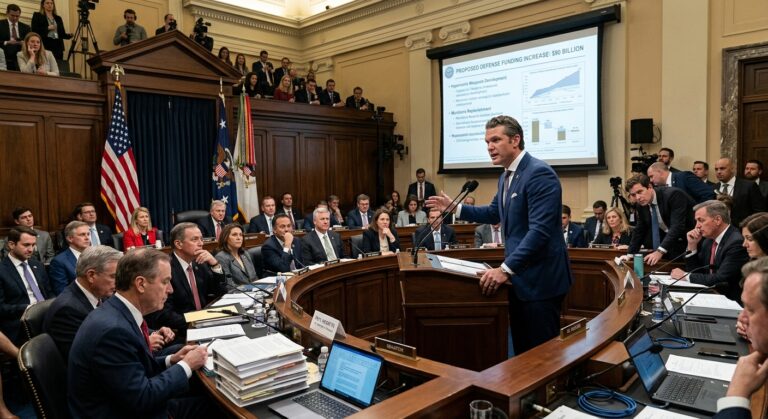
Beyond foreign policy, Graham was a vocal proponent of fiscal responsibility, consistently opposing defense budget cuts and working to ensure ample funding for the military. He also championed efforts to reform entitlement programs, reduce government waste, and foster a pro-business environment aimed at job creation, earning recognition for prioritizing taxpayer interests. These fiscal conservative principles guided his approach to economic policy, reflecting a broader commitment to sustainable governance.
On gun control, Graham demonstrated a nuanced and evolving position, acknowledging the inadequacy of existing laws while seeking bipartisan solutions. He participated in efforts to close background check loopholes for individuals with mental health histories in 2013 and later supported a 2022 bipartisan agreement that included red flag laws, enhanced background checks for younger buyers, and increased school safety funding. His engagement in these complex debates showcased a willingness to seek common ground on contentious social issues.
Graham’s legislative impact was further amplified through his significant committee assignments, including the Committee on the Judiciary, the Committee on Environment and Public Works, and the Budget Committee. These roles allowed him to directly influence federal judicial nominations, immigration policy, infrastructure, environmental legislation, and the nation’s fiscal blueprint. While his committee work was extensive, the number of bills he sponsored that achieved bicameral support indicated a focus on influential committee leadership rather than solely on individual legislative authorship.
Enduring Impact and Public Perception
Lindsey Graham cultivated a public image as a steadfast statesman, rather than a conventional politician, a perception that contributed significantly to his sustained popularity in South Carolina. His contemporaries often noted his consistent focus on substantive policy issues, particularly foreign affairs, over fleeting political trends, which resonated with voters seeking principled governance and a strong national presence. This dedication to national security and global engagement solidified his reputation as a committed policymaker with deep expertise in international relations, distinguishing him from those focused solely on local concerns.
A defining aspect of Graham’s legacy was his willingness to engage in bipartisan problem-solving, a trait that often distinguished him within an increasingly polarized political landscape. Despite facing criticism from some conservative factions for his collaborative stances on issues like climate change and immigration, he consistently prioritized pragmatic solutions and the assessment of judicial nominees based on merit beyond ideological lines. His votes to confirm President Obama’s Supreme Court nominees, Sonia Sotomayor and Elena Kagan, exemplify his belief in a more inclusive Republican Party and a Senate ethos that valued cooperation.
Graham’s influence extended profoundly into the federal judiciary, where his efforts to shape the judicial landscape through confirmations and related legislation left a significant mark. Beyond these core areas, his legislative record also reflected active engagement with evolving challenges, such as technology and privacy debates, including his vote to repeal FCC internet privacy rules and his co-introduction of bipartisan legislation targeting online child sexual abuse material. His career thus embodied a blend of military experience and political leadership, leaving a lasting impact on U.S. defense policy and legislative discourse.
Personal Values and Community Ties
Lindsey Graham’s personal life was deeply rooted in his South Carolina upbringing, fostering strong community ties that remained central to his identity throughout his political career. His family-oriented values and emphasis on faith were integral to his public persona, providing a consistent moral compass for his actions. These personal convictions helped shape an approachable public figure who remained connected to his constituents despite his national responsibilities.
Beyond his demanding professional duties, Graham actively engaged with various community and veterans’ organizations, further demonstrating his dedication to service and civic engagement. This involvement underscored his commitment to the well-being of his home state and the broader veteran community, reflecting how his personal values translated into tangible public action. His diverse interests and consistent community presence highlighted a politician who valued personal connections and a grounded perspective, ensuring his public service remained connected to the people he represented.
Passing and Posthumous Tributes
Lindsey Graham’s unexpected passing on July 11, 2026, at the age of 71 in Washington, D.C., marked the end of a distinguished career in public service. His death, which occurred shortly after returning from a diplomatic meeting with Ukrainian President Volodymyr Zelensky, was attributed to a sudden medical emergency at his residence. The swift confirmation from his office prompted an immediate outpouring of bipartisan tributes, reflecting the widespread respect he commanded across the political spectrum.
The collective recognition from colleagues and constituents alike underscored his significant impact and the void left by his absence. These posthumous acknowledgments highlighted his dedication to public service and his enduring influence on American politics, particularly in national security and foreign affairs. His passing served as a moment for reflection on his career, emphasizing his commitment to the nation and his ability to forge connections even amidst political divides.
The content is provided by Avery Redwood, Anchor Press