Cultivating a Joyful Weekend Mindset
Transforming your weekend into a period of genuine joy and rejuvenation begins with an intentional shift in perspective, focusing on what you can control: your attitude. Instead of dwelling on external pressures or negative elements, consciously choose to seek out and appreciate the positive aspects of your free time. This deliberate focus on positivity is a fundamental step toward experiencing a fulfilling and restorative weekend, setting the stage for meaningful engagement.
Finding purpose in your activities significantly contributes to overall well-being, moving beyond mere busyness to quality involvement that resonates with your personal values. When you are truly present and invested in what you do, whether it’s a hobby or a simple gathering, it fosters feelings of purpose, belonging, and accomplishment. Connecting weekend activities to your values and a broader sense of meaning ensures that leisure time replenishes your energy rather than depleting it, making your experiences more profound and satisfying.
The balance between your work and leisure life, along with cultural and social structures, profoundly shapes how you approach rest and recreation. Weekends across various cultures serve as vital opportunities for rest, family connection, and cultural expression, all of which contribute significantly to happiness and subjective well-being. Recognizing the importance of quality social interactions and perceiving that you have sufficient discretionary time, often called “time affluence,” consistently predicts well-being more strongly than material wealth, underscoring the value of mindful time management for embracing weekend joy.
What Makes a Weekend Truly Restorative?
The joy experienced during weekends is deeply rooted in psychological processes that enhance mood, well-being, and emotional resilience, starting even before the weekend officially begins. Consciously anticipating enjoyable activities, such as a planned outing or a relaxing evening, amplifies excitement and positive emotions, thereby increasing overall happiness. After the weekend, taking time to reflect on and savor favorite moments can further extend these positive feelings, reinforcing a continuous cycle of well-being that lasts into the new week.
Weekends are crucial for psychological recovery from the demands of work, offering a vital opportunity to relax, recharge, and engage in activities that actively promote mental health. Whether you choose to socialize, explore new experiences, or simply rest, these activities are essential for stress reduction and help restore the energy resources depleted during the workweek. This restorative process is fundamental for maintaining vitality and physical health, contributing to a more balanced and resilient daily life.
During weekends, the satisfaction of basic psychological needs, particularly autonomy and relatedness, is often heightened, leading to improved mood and adjustment. Autonomy, which is the sense of control over your own activities, combined with meaningful social connections, fulfills essential human needs that workdays may limit. This satisfaction of core needs is directly linked to enhanced psychological well-being and plays a crucial role in fostering genuine weekend joy.
Moreover, the happiness derived from weekend activities tends to be more effective and sustainable when those activities align closely with your personal interests, goals, values, and personality traits. This concept of “fit” highlights the importance of choosing leisure pursuits that genuinely resonate with your unique preferences, thereby maximizing their positive impact on your overall life satisfaction and ensuring your free time truly recharges you.
Mindset Shifts for a Happier Weekend
A foundational approach to embracing joy involves making a conscious decision to focus on what you can influence, particularly your own attitude. Choosing to perceive the positive aspects of situations, rather than dwelling on negativity or uncontrollable factors, effectively fosters joy and helps reduce stress-related burnout. It is also important to allow yourself grace during joyful moments, recognizing that a temporary decrease in focus on other areas is a normal part of truly relaxing and enjoying yourself.
Practicing gratitude is a simple yet profoundly effective way to cultivate a positive mindset and enhance your weekend experience. Taking a few moments to write down things you are grateful for from the past week can help shift your focus to positive experiences and deepen your appreciation for everyday moments. Reflecting on meaningful quotes or phrases can also serve as subtle yet powerful reminders to slow down and prioritize joy over pressure, gently shaping your weekend outlook.
Happiness is often contagious, facilitated by the brain’s mirror neurons that naturally mimic others’ positive emotions, making social connections a powerful tool for boosting your own joy. Spending time with upbeat people or receiving warm, uplifting weekend wishes can significantly elevate your mood and outlook. Sharing positive weekend messages not only encourages calmness, love, and lighthearted fun for others but also helps both the sender and receiver enter the weekend with a hopeful and relaxed perspective.
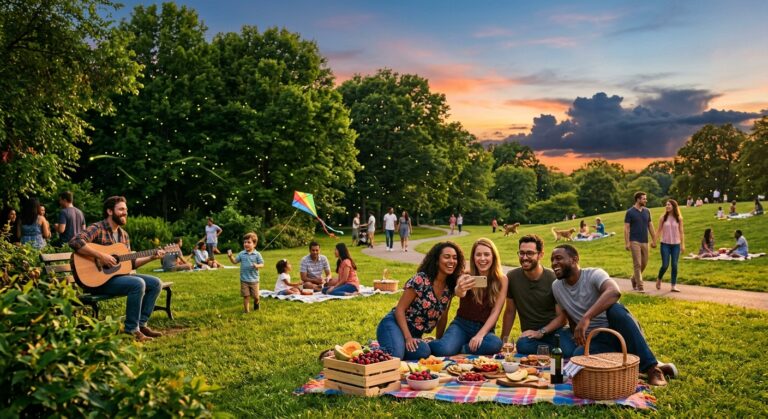
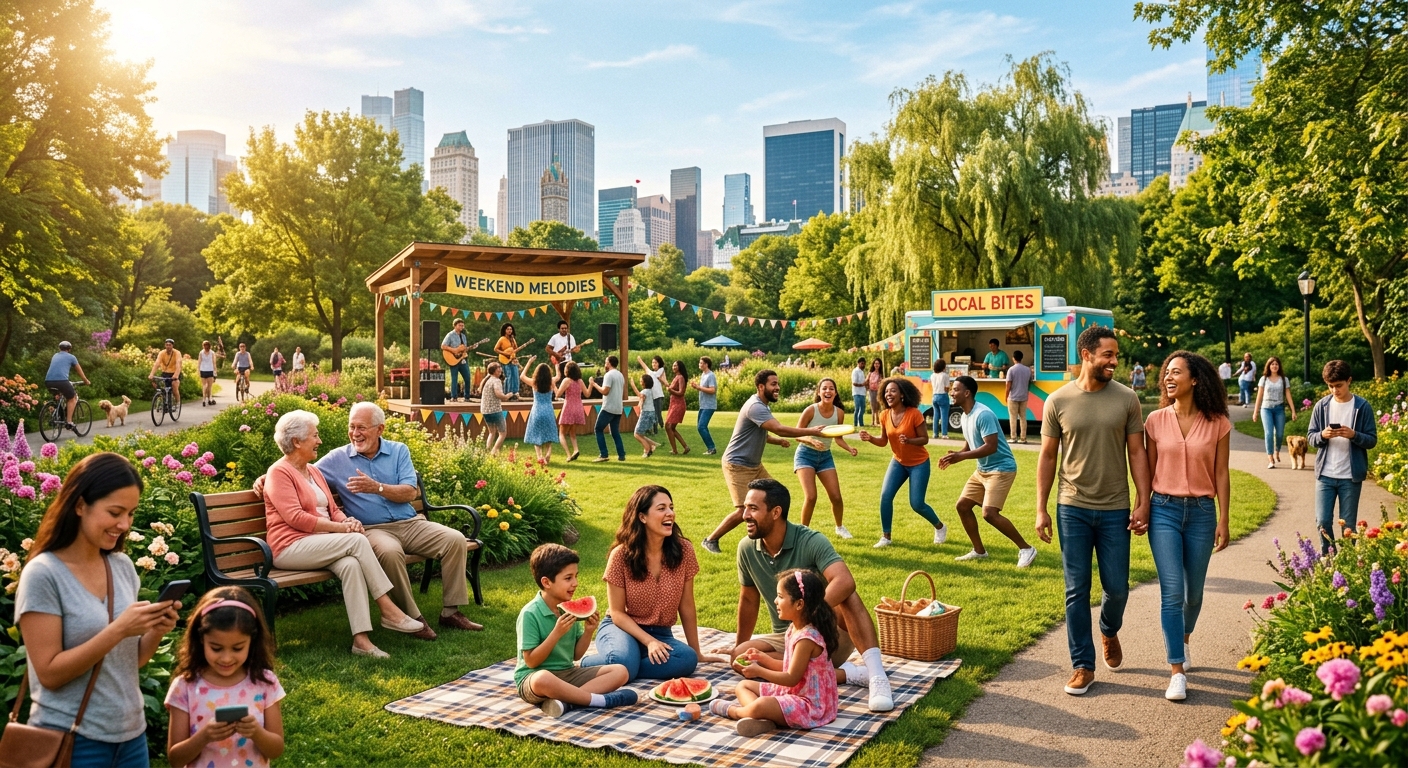
Engaging in leisure activities during your free time is essential for both mental and physical well-being, encompassing hobbies, sports, socializing, and simple relaxation, all chosen voluntarily for enjoyment and stress relief. Outdoor activities, in particular, are highly beneficial for reducing stress, boosting mood, and improving sleep quality, serving as an important way to recharge over the weekend. Additionally, volunteering or performing acts of kindness can be deeply fulfilling ways to express gratitude and bring joy, offering a sense of purpose beyond personal pleasure.
Looking forward to enjoyable weekend plans significantly increases positive emotions even before the weekend officially begins, building anticipation and excitement. Afterward, intentionally recalling and savoring your favorite moments can prolong the feeling of happiness, extending the positive impact of your leisure time. Starting the weekend with a positive activity or mindset sets a beneficial tone that can improve your mood, enhance relationships, and contribute to a more joyful experience overall.
Choosing Activities That Truly Recharge You
Leisure activities encompass a broad spectrum of voluntary and enjoyable pursuits that individuals engage in during their free time, offering opportunities for pleasure, personal growth, and mental rejuvenation. These activities, which often include hobbies, sports, socializing, and relaxation, are typically chosen freely outside of mandatory obligations like work or chores. Leisure is characterized by pursuits that require more engagement and time than casual, momentary acts, providing a deeper sense of fulfillment.
Leisure can be categorized into different types, each offering distinct benefits for well-being. Serious leisure involves the dedicated pursuit of hobbies or amateur activities that require perseverance, skill development, and often foster a sense of community, providing unique social identities and benefits beyond immediate enjoyment. In contrast, casual leisure consists of activities that are immediately rewarding and require little training, such as reading a book or taking a leisurely stroll, offering quick and accessible forms of relaxation.
Common examples of leisure activities, such as playing cards, watching television, engaging in sports, or simply talking with family and friends, often serve as core ways for families and social groups to bond. These activities typically require minimal planning or resources while effectively fostering connection and shared experiences. Social and recreational pursuits like attending concerts, participating in arts, or team sports help build communication skills and create positive shared memories, which strengthen relationships and community ties.
The impact of engaging in these leisure activities extends far beyond mere enjoyment, contributing significantly to both physical and emotional health. Physically, activities such as sports and exercise improve heart health and stamina, while emotionally, leisure fosters camaraderie, self-confidence, and reduced stress levels, contributing to overall happiness and well-being. Psychologically, leisure helps satisfy basic human needs for autonomy, relatedness, and competence, which are crucial for mediating the relationship between free time activities and enhanced mood or life satisfaction.
Furthermore, intentionally treating leisure time, especially weekends, as opportunities for genuine relaxation and enjoyment—much like a mini-vacation—can lead to increased happiness and better mood regulation. This mindset can even positively influence your workdays following the weekend, extending the benefits of your downtime. Regular participation in leisure pursuits supports a balanced lifestyle, effectively reducing anxiety and improving mental health by providing essential downtime and a sense of purpose.
Strengthening Your Bonds: Weekend Social Connections
Weekends present an ideal opportunity for reconnecting with friends, family, and community members, fostering stronger social bonds through shared leisure and festive activities. Engaging in collaborative pursuits such as sports, arts, or group projects enhances communication skills and teamwork, promoting mutual respect and understanding essential for meaningful relationships. These shared activities help individuals bond over common interests and experiences, creating a vital sense of belonging and community.
Family time often takes center stage during weekends, with many families gathering around meals that symbolize heritage and togetherness, reinforcing familial ties across generations. Traditional weekend dishes serve as markers of cultural identity and comfort, deepening connections and creating lasting memories. While family vacations and outings often reflect familiar roles within the family dynamic, requiring communication, flexibility, and shared responsibilities for a smoother experience, reverting to childhood roles can offer both stability and potential challenges if expectations differ.
Shared leisure time among family members significantly enhances feelings of closeness and contributes positively to overall family life, fostering a sense of unity and shared purpose. Notably, differences in leisure experiences between fathers and mothers are often observed, frequently influenced by traditional roles and work-life balance considerations. Understanding these dynamics can help families intentionally plan activities that cater to everyone’s needs and preferences, ensuring more equitable and fulfilling experiences for all.
Intergenerational connections are particularly strengthened through festive leisure activities shared between grandparents and grandchildren, often occurring during weekends and holidays. These activities, whether in private venues like restaurants or public spaces like parks, serve not only as opportunities for social interaction but also as crucial means to transmit traditions and cultural heritage, fostering deep emotional bonds and family intimacy. Grandparents often perceive these shared festive moments as authentic leisure that contributes to their personal development and reinforces alliances within the family environment, enriching the lives of all involved.
Finding Meaning in Shared Experiences: Cultural & Traditional Weekends
Weekends across the globe are often marked by a rich tapestry of cultural and traditional activities that reflect the diverse heritage and customs of different communities, offering unique opportunities for shared experiences. In many regions, the concept of the weekend itself varies, influenced by religious traditions and local practices, meaning the specific days off may differ to accommodate cultural or religious observances. Understanding these variations can inspire new ways to structure your own leisure time, perhaps by exploring local cultural events or traditions.
Food plays a central role in weekend celebrations worldwide, bringing families together around special meals that honor heritage and foster community bonds. For instance, Ethiopian traditional weekend gatherings often feature injera with an array of stews, creating a culinary experience deeply rooted in cultural identity and communal eating. Similarly, Mexican families prepare pozole, a hearty soup, as part of their weekend customs, demonstrating how these meals are more than just nourishment; they are stories served on a plate that connect individuals to their ancestry and provide comfort, offering inspiration for your own family meals.
Festivals and communal celebrations add another vibrant layer to weekend cultural activities, providing opportunities for communities to celebrate together and keep longstanding traditions alive. The Indian festival of lights, Diwali, for example, spans five days of festivities, symbolizing the triumph of good over evil with lanterns, parades, and gift exchanges. Similar festivals across Southeast Asia, like the Thai New Year, involve exuberant water fights and temple rituals, showcasing how diverse cultural heritage can enrich weekend experiences and inspire participation in unique celebrations.
Religious observances also significantly shape weekend routines in many cultures, offering structured opportunities for reflection and community engagement. For Muslims, Friday holds particular significance for communal Jumu’ah prayer, often framing the weekend to begin on Thursday evening, allowing time for preparation and family gatherings that uphold spiritual and social traditions. These practices highlight how spiritual engagement can be a core component of a fulfilling weekend, providing a sense of peace and connection.
Intergenerational participation is vital in maintaining and passing down these customs, with older adults often playing an active role in sharing intangible cultural heritage with younger generations. This exchange during festive leisure time fosters a collective memory and reinforces social bonds within families, strengthening feelings of belonging and identity across ages and ensuring the continuity of traditions and cultural values. Observing or participating in such exchanges can deepen your appreciation for your own family’s heritage and create new shared memories.
Beyond traditional gatherings, contemporary cultural events and festivals provide opportunities for communities to celebrate together, uplift one another, and keep longstanding traditions relevant. From lantern festivals to summer moon parties and Japanese flower shows, these events enrich the weekend experience and invite participation in global cultural diversity, offering a wealth of options for unique leisure. While technology is increasingly integrated into cultural and entertainment events, offering immersive experiences such as virtual art gallery tours or interactive performances, it also presents challenges like reduced personal interaction, requiring a balance to maintain genuine connection.
Enhancing Your Weekend with Food and Shared Meals
Weekend meals often serve as much more than simple nourishment; they are powerful cultural expressions that bring people together and highlight what matters most to different communities. From slow-cooked stews that simmer throughout the day to elaborate brunches extending into the afternoon, these meals create invaluable opportunities for family and friends to gather, share, and connect over food. Such traditions underscore the universal desire to nourish not only the body but also relationships during leisure time, making meals a central part of weekend enjoyment.
In addition to their cultural significance, food plays a key role in enhancing weekend enjoyment by aligning with broader lifestyle patterns seen in weekend spending, where dining often sees some of the strongest increases. Households frequently treat weekends as special occasions for indulgence and relaxation, making meal planning and preparation a joyful activity in itself. This shift even affects essentials like groceries, which are increasingly purchased during weekends to support these communal meals and home care routines, reflecting an intentional approach to weekend living.
Balancing rest with stimulation is essential for a satisfying weekend, and food can be a central part of achieving this equilibrium. Engaging in meals that you love or experimenting with favorite recipes can provide simple yet profoundly meaningful pleasures that contribute to both mental and physical refreshment. By prioritizing enjoyable and nourishing meals, individuals and families can significantly enhance their overall leisure experience and well-being, turning meal times into cherished moments of connection and contentment.
Proven Strategies for a Happier Weekend
Research indicates that structuring weekends with intentional activities can significantly boost happiness and overall well-being, moving beyond passive consumption to active engagement. One effective approach involves reflecting on past experiences to identify specific activities that genuinely bring you joy, rather than relying on assumptions or societal expectations about what should be enjoyable. Scientifically-backed strategies consistently highlight the importance of socializing, exercising, and engaging in spiritual practices, as these are strongly associated with peak happiness levels throughout the day, alongside eating and intimate relations.
Another evidence-based practice is to treat the weekend “like a vacation,” which has been shown to increase positive affect, decrease negative emotions, and enhance satisfaction, even when no additional time off or financial resources are spent. This powerful mindset shift involves consciously focusing attention on the present moment during the weekend, which mediates the effect on improved mood and greater happiness when returning to work. By adopting this perspective, you can transform ordinary weekends into truly restorative experiences.
Spending time outdoors is also a proven method for enhancing mental well-being, offering accessible and effective ways to boost your mood. Activities such as walking, sitting in nature, or hiking help reduce stress, elevate mood, and increase overall happiness, providing a natural antidote to the pressures of the week. Leisure activities—including hobbies, sports, and socializing—play a crucial role in this process by providing voluntary, enjoyable engagement during free time that supports both mental and physical health.
Engaging in leisure activities with others who share similar interests can foster connection and a vital sense of belonging, which further contributes to happiness and reduces feelings of isolation. However, it is important that these activities remain mentally engaging; too many distractions can undermine their benefits and prevent genuine immersion. Meaningful leisure participation is linked to lower stress levels, improved mood, reduced heart rate, and decreased boredom, helping to prevent unhealthy behaviors and promote a balanced lifestyle.
Finally, embracing joy also involves giving yourself grace amid the imperfections of weekend experiences, recognizing that moments of forgetfulness or low motivation are natural parts of relaxation and happiness. Striving for perfection can often detract from genuine enjoyment, so allowing for spontaneity and accepting that not every moment will be perfectly planned can lead to a more authentic and fulfilling weekend. This self-compassion helps maintain a positive outlook even when things don’t go exactly as anticipated.
Designing Your Ideal Weekend: Planning & Motivation
Achieving a satisfying and joyful weekend often involves carefully balancing rest and stimulation to ensure you feel mentally and physically refreshed for the week ahead. The key is not to overthink your plans but to engage in activities you genuinely enjoy, or at times, simply do nothing at all, as simple pleasures can be the most fulfilling during leisure time. This intentional approach allows for both active engagement and necessary downtime, creating a harmonious weekend rhythm.
One effective strategy for designing your weekend is to mix active and relaxing activities, creating a dynamic yet balanced experience. For instance, combining something energizing like a walk or bike ride with a slower-paced activity such as a long coffee break or reading can prevent burnout and maintain a sense of renewal. Additionally, inviting someone new or reconnecting with a friend can bring fresh energy and meaningful social interaction, while preparing a few basics ahead of time—such as snacks, outfits, or a loose idea list—can make your weekend feel more relaxed and enjoyable by reducing last-minute stress.
Motivation to engage in leisure activities can be significantly enhanced by focusing on meaningful involvement, ensuring your time is spent on pursuits that truly resonate with you. Being truly engaged means being present and invested, which fosters a deep sense of purpose, belonging, and accomplishment rooted in fundamental psychological and social needs. Choosing activities that personally bring joy, rather than merely filling time, supports this sense of fulfillment and makes your leisure more impactful.
Your attitude also plays a crucial role in shaping a joyful weekend, as intentionally shifting your attention toward factors within your control, including your mindset, can profoundly influence your overall experience. Opting to see the good and choose joy rather than dwelling on negativity helps cultivate a positive outlook that permeates all your weekend activities. This conscious choice empowers you to create a more uplifting and satisfying environment for yourself.
Balancing work and rest, and varying your leisure activities, is essential for maintaining a healthy lifestyle and preventing monotony. How leisure time is spent directly impacts emotional well-being and the experience of flow, which contributes to positive emotional states and a sense of deep engagement. Planning activities with consideration for practical details, such as timing and preparation, especially for family outings, can significantly enhance enjoyment and strengthen relationships by minimizing potential stressors.
Finally, embracing leisure as more than just fun is important, recognizing its vital role in your overall health and well-being. Leisure activities, including hobbies pursued regularly for joy, support overall health by reducing stress and anxiety and providing necessary downtime for recharging your mind and body. By integrating these planning and motivational tips, individuals can consistently create weekends that nurture both body and mind, leading to a truly wonderful and restorative experience.
The content is provided by Sierra Knightley, Anchor Press