
Unpacking Irans Decision: The U.S. Deal, Hormuz Strategy, and Sanctions Implications
Summary
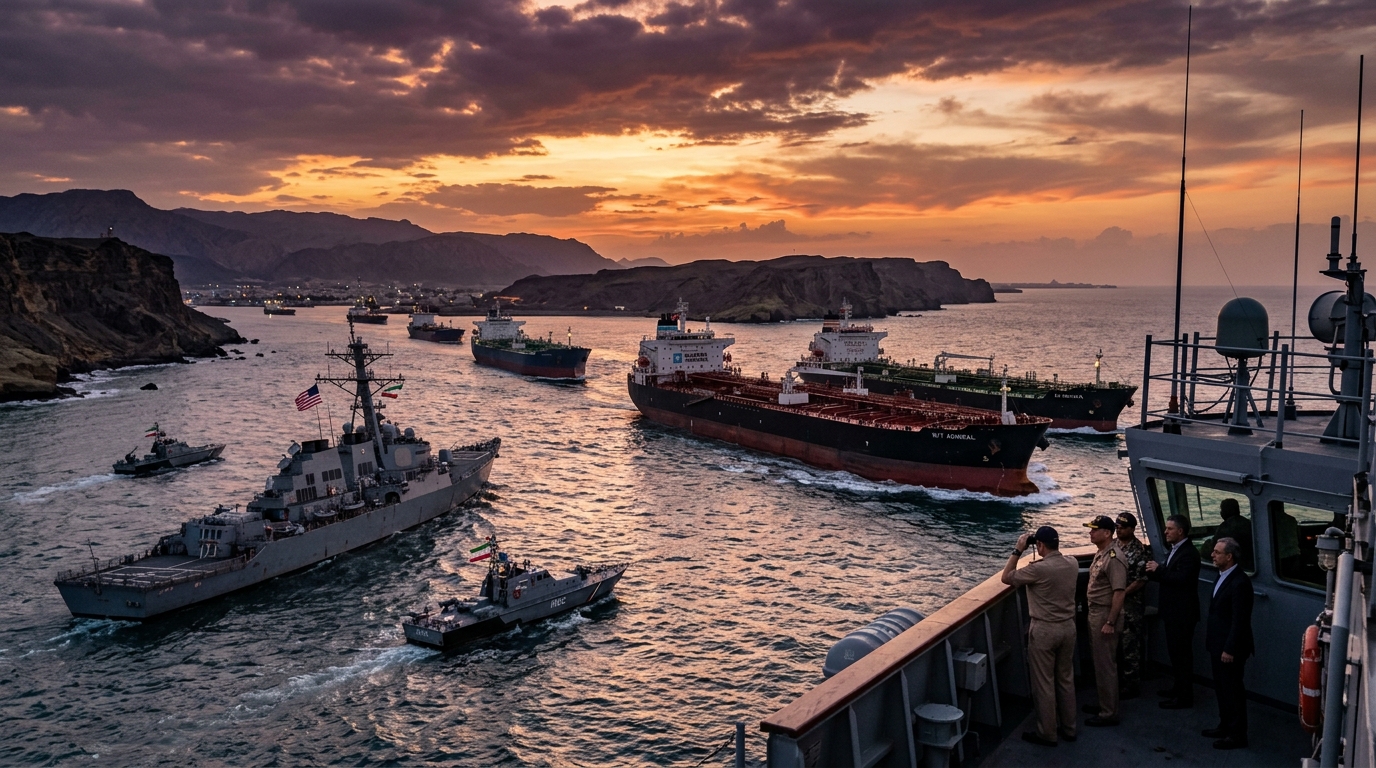
Iran’s Strategic Posture and the Strait of Hormuz: An Overview highlights the ongoing geopolitical tensions between Iran and the United States, primarily centered on the Strait of Hormuz, through which a substantial portion of the global oil trade navigates. Iran’s stance has grown assertive, driven by historical grievances and strategic military considerations, as it asserts control over this vital maritime passage and uses it as leverage amid tightening sanctions from the U.S. This dynamic complicates regional stability and draws in various global powers, raising concerns about international energy security.
Historical Context of U.S.-Iran Relations
U.S.-Iran relations have been marked by historical incidents that have bred mistrust, such as the CIA-backed coup in 1953 and the 1979 Iranian Revolution. These events shaped Iran’s perception of external threats, particularly from the U.S., influencing its territorial claims in the Strait of Hormuz. Over the decades, Iran has leveraged this strategic position to assert military influence, often threatening to disrupt maritime traffic, which has significant repercussions for global oil supplies. This backdrop is essential for understanding the current geopolitical landscape.
Iran’s Current Strategic Decisions
Iran has fortified its claims over the Strait of Hormuz, reinforcing a narrative of sovereignty against perceived U.S. aggression. By asserting operational control and threatening vessels associated with hostile nations, Iran aims to maintain a competitive advantage in the Gulf. Such a stance is deeply embedded in Iran’s historical context and the perceived need to defend its interests against external pressures, especially in light of renewed sanctions that put its economy at risk.
U.S. Strategy and Sanctions
The U.S. employs economic sanctions alongside military presence to compel Iran into negotiations regarding its nuclear program and maritime conduct. Recently updated memoranda outline a strategy that aims to maximize pressure while allowing for specific waivers on Iranian oil exports. However, the demand for Iran to end uranium enrichment complicates the prospects for a diplomatic resolution. The intertwining of sanctions and military readiness forms the backbone of U.S. strategy, posing challenges to Iran’s economic survival.
Control and Security Operations in the Strait
The United States has responded to Iranian actions in the Strait of Hormuz with a multifaceted security approach, including naval escorts and mine-clearing operations. The goal is to ensure the free passage of maritime traffic amidst Iran’s assertive naval maneuvers. Iran’s drone and missile capabilities underscore the continuous tug-of-war for control over this critical passage. This geopolitical contest has significant implications for regional alliances and global energy prices.
Global Responses and Ongoing Tensions
Iran’s blockade strategy has generated varied responses from the international community, resulting in criticism of U.S. policy effectiveness. Some European nations sustain support for the JCPOA framework despite increasing energy prices and political pressure stemming from the ongoing crisis. The division among global powers over how to navigate the sanctions environment and Iran’s maritime claims further complicates the potential for a cohesive response.
Future Considerations
The potential for conflict resolution hinges on re-engaging in diplomacy and the viability of nuclear negotiations, which remain clouded by distrust and historical grievances. Resolving the tensions over the Strait of Hormuz requires balancing regional security interests with economic factors impacting global energy markets. The complex interplay of sanctions, military tactics, and diplomatic engagement will ultimately determine the future stability of the region and the broader implications for global trade. As both sides navigate these challenges, the pathway to productive engagement remains fraught with uncertainty.
The content is provided by Blake Sterling, Anchor Press