
Summary
Unlocking the Magic of Time: A Deep Dive Into Tinctures on Cup of Jo examines herbal tinctures—liquid extracts from plants made using various solvents like alcohol and vinegar. These remedies have been central to healing practices in numerous cultures, blending medicinal and spiritual uses. This article categorizes tinctures, discusses common herbs used, outlines preparation methods, and emphasizes safety, highlighting the need for caution due to potential interactions with medications.
History and Cultural Significance
Tinctures have ancient origins in different cultures, prominently among Native American and African traditions, where plants are used for both healing and spiritual practices. Indigenous medicine men were crucial in protecting community well-being. Current practices often reflect a blend of historical knowledge, shaped by cultural challenges such as systemic racism and cultural erasure, particularly within African American communities. The article underscores the importance of reviving and preserving these traditions for future generations.
Types and Preparation Methods
Tinctures are typically categorized based on the solvent used: alcohol, vinegar, glycerine, or combinations thereof. Alcohol-based tinctures are the most prevalent due to their effectiveness in extracting a wide range of plant compounds, while vinegar tinctures serve as alternatives for those avoiding alcohol. Glycerine tinctures are safer for children, allowing for a balance of extraction and taste. Preparation methods vary, with maceration being the simplest and most accessible for home practitioners, while percolation offers a quicker alternative. Proper understanding of herb-to-solvent ratios and storage conditions is essential for quality and safety.
Common Herbs Used in Tinctures
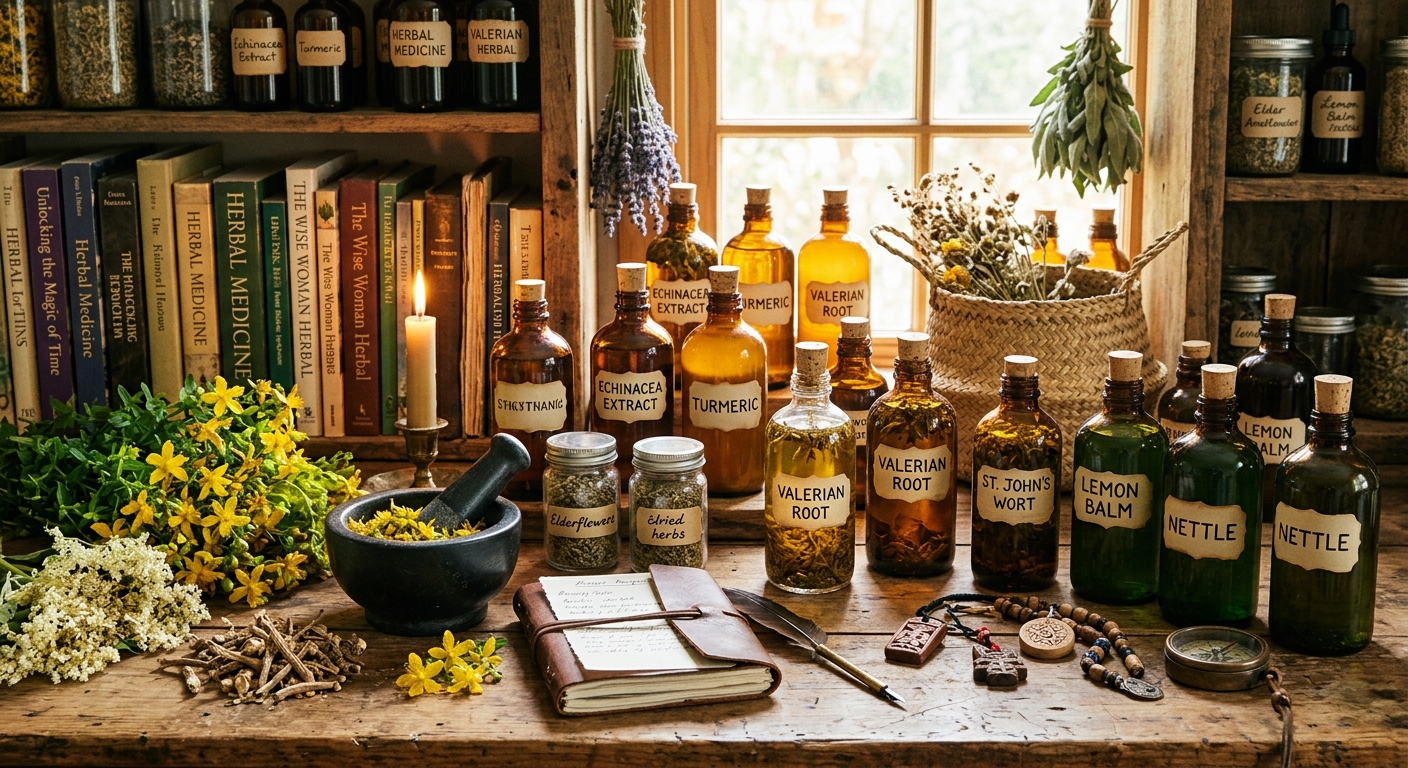
Numerous herbs are utilized in tinctures for their therapeutic properties. Echinacea is well-known for boosting the immune system, while St. John’s wort is noted for its potential in treating depression, albeit with significant interaction concerns regarding medications. Valerian root is favored for sleep support, and turmeric is prized for its anti-inflammatory benefits. Understanding the specific uses and potential effects of these herbs is critical in choosing the right tincture, particularly for managing conditions like anxiety or inflammation.
Uses and Benefits
Herbal tinctures provide various medicinal benefits and are valued for their quick absorption. Popular uses range from addressing immune support with echinacea to relieving joint pain with turmeric. However, caution is crucial, particularly with St. John’s wort, as its interactions with medications can lead to adverse effects. Exploring the specific properties of individual tinctures can help guide effective use, particularly in holistic health contexts.
Safety and Precautions
Caution is vital when using tinctures due to potential toxicity and interactions with prescription medications. Some plant parts can be harmful, necessitating knowledge of their safety. Adverse reactions can range from mild to severe, emphasizing the importance of consulting healthcare professionals, especially for those on medication. Because tinctures are not subject to the same rigorous regulations as pharmaceuticals, understanding their safety profile is essential for avoiding mishaps and ensuring proper use.
Conclusion
The article presents an overview of tinctures as both effective herbal remedies and culturally significant practices. The importance of understanding their preparation, potential benefits, and necessary precautions is crucial for anyone interested in incorporating tinctures into their health regimen. Knowledge of historical and cultural contexts further enriches the experience, encouraging deeper reflection on the holistic aspects of herbal medicine as part of broader healing traditions.
The content is provided by Harper Eastwood, Anchor Press