Defense Secretary Pete Hegseth Seeks Nearly $90B Funding Boost on Capitol Hill!
Why a Major Defense Spending Increase is Proposed Now
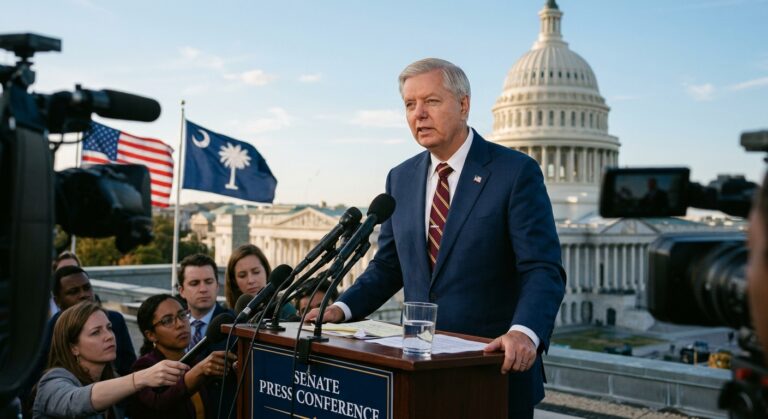
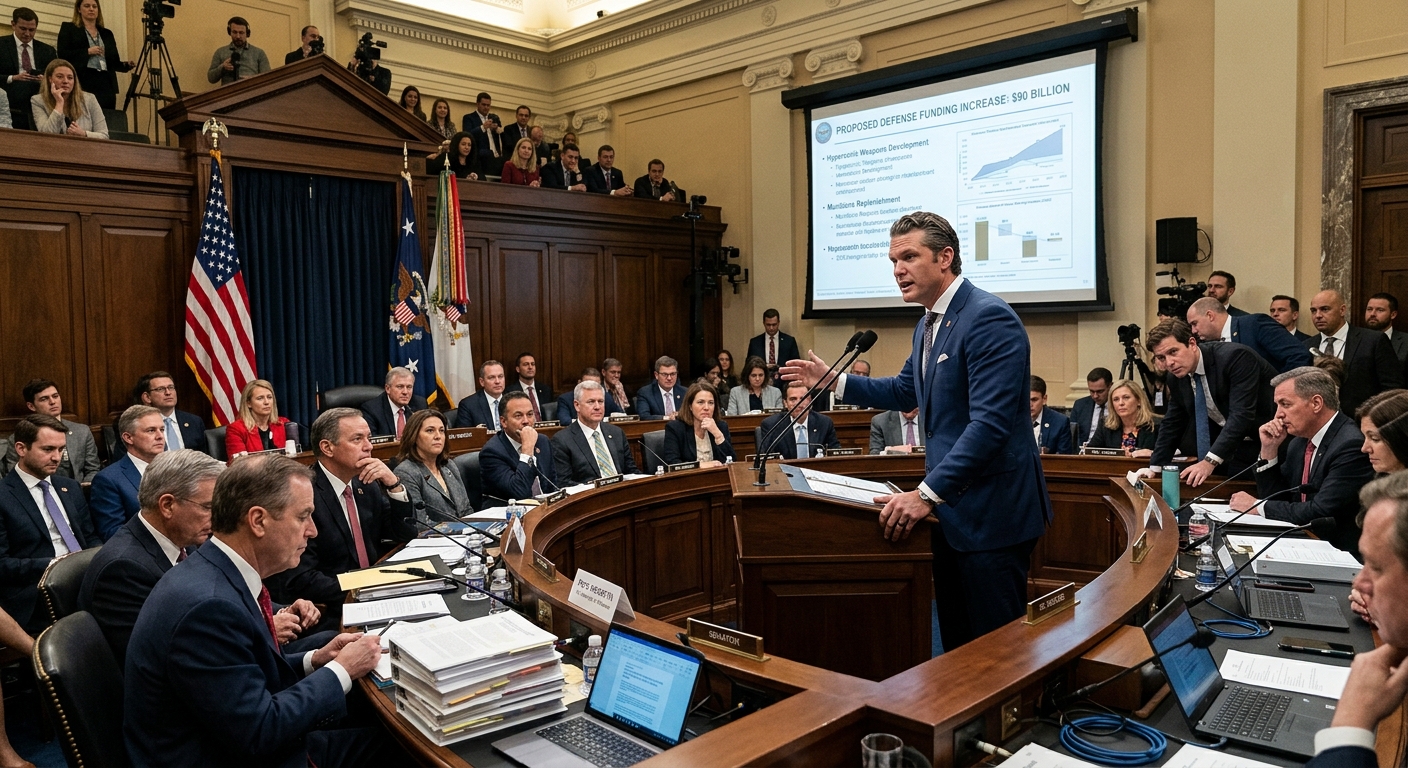
Defense Secretary Pete Hegseth has initiated a significant push for increased U.S. defense funding, requesting nearly $90 billion in supplemental appropriations as part of a comprehensive $1.5 trillion budget proposal for fiscal year 2027. This substantial request emerges amid ongoing military operations in Iran, which began under the Trump administration without explicit congressional authorization, alongside broader national security challenges that demand immediate and sustained attention. The administration frames this funding as essential to address the escalating operational costs of current conflicts, replenish critical munitions stockpiles that have been drawn down, and invest strategically in advanced military capabilities, thereby aiming to revitalize the Defense Industrial Base and enhance long-term military readiness against evolving global threats.
The urgency of this funding is profoundly underscored by concerns over the protracted conflict with Iran, a situation that has extended far beyond initial projections and placed considerable strain on existing U.S. military resources and personnel. Secretary Hegseth has openly acknowledged challenges such as the depletion of certain weapons stockpiles, attributing these issues partly to concurrent U.S. support for Ukraine and the aging condition of American military equipment, which requires substantial modernization to remain effective. This complex operational environment highlights a perceived immediate need to rapidly stabilize essential supplies like fuel, ensure continuous military pay to retain experienced personnel, and significantly expand the domestic production of critical munitions to sustain U.S. military strength in an increasingly volatile global threat landscape, where readiness is paramount.
Understanding the Proposed Defense Budget and Key Investments
The proposed defense budget outlines a substantial financial commitment, with a total request of $1.5 trillion for fiscal year 2027, including a nearly $90 billion supplemental appropriation intended to cover immediate needs and critical shortfalls. This supplemental funding is specifically designed to address urgent operational costs and critical readiness gaps, while the broader budget aims to advance new military capabilities and replace equipment extensively utilized in ongoing operations, particularly in the Middle East. Secretary Hegseth has emphasized that this investment is crucial for stabilizing essential areas such as fuel supplies and significantly boosting munitions production, which are foundational to maintaining military effectiveness, projecting power globally, and ensuring the safety of deployed forces.
Within the supplemental request, approximately $21 billion is allocated to maintain near-term readiness, covering essential needs like military pay, comprehensive training exercises, and replacing equipment used in recent operations, alongside stabilizing fuel shortfalls that could impede logistical operations and rapid deployments. A further $46 billion is earmarked for expanding the production of advanced weaponry, including solid rocket motors, Joint Direct Attack Munitions (JDAMs), hypersonic weapons, and counter-drone technologies, which are vital for maintaining a technological edge over potential adversaries. This strategic investment is intended to revitalize the Defense Industrial Base, ensuring a stable and reliable supply of munitions and positioning the U.S. military for future challenges rather than merely reacting to current ones with insufficient resources.
Hegseth has framed this comprehensive funding as a necessary investment in deterrence and a decisive break from previous bureaucratic stagnation, aiming to provide a stable demand signal to the defense industry across critical sectors like shipbuilding, aviation, and drone production. While acknowledging challenges related to depleted munitions stocks, which he attributes partly to prior policies and an aging defense manufacturing sector, he maintains that current stockpiles remain adequate for immediate needs, though not for sustained, high-intensity conflict without replenishment. The administration’s strategy, therefore, seeks to accelerate production rates to prevent future shortfalls, thereby securing long-term national security and reducing reliance on emergency measures that can be costly and inefficient.
Navigating Congressional Support and Opposition
Defense Secretary Hegseth’s request for a significant defense funding increase has ignited a complex debate on Capitol Hill, revealing a spectrum of support, skepticism, and fiscal concerns among lawmakers that could impact its passage. While many Republicans generally favor increased defense spending, some prominent GOP members, including those within the House Republican Study Committee, have expressed reservations about the substantial $350 billion increase sought by the Pentagon, citing worries about its impact on the national debt and the potential for federal spending surges. This internal party division highlights the inherent challenge of securing broad consensus for such a large budgetary expansion, even among those who prioritize national security, as fiscal responsibility remains a key concern.
Despite these fiscal anxieties, the perceived urgency of maintaining military readiness and addressing immediate operational needs has garnered strong backing from key congressional defense leaders across both chambers, who emphasize the practical implications of underfunding. Figures like Senate Armed Services Committee Chairman Roger Wicker have vocally supported the supplemental request, emphasizing its critical role in equipping service members to confront emerging global threats and cover short-term gaps in munitions and modernization efforts. This bipartisan recognition of the immediate necessity for robust defense strength underscores the strategic imperative felt by many lawmakers, even as they grapple with the broader financial implications and long-term budgetary commitments required.
However, the funding request, particularly the portion allocated for military operations in Iran, has drawn intense scrutiny from both Democrats and some Republicans, who question the war’s authorization, its true costs, and the administration’s decision to engage without explicit congressional approval. Lawmakers have demanded greater transparency regarding the conflict’s expenses, with some experts and legislators suggesting that official figures significantly undercount the war’s actual financial burden, leading to concerns about accountability and potential misallocation of resources. Furthermore, the rapid depletion of U.S. munitions and perceived shortcomings in Pentagon communication have fueled congressional distrust, complicating the path to legislative approval and potentially delaying critical investments in national security.
The House Armed Services Committee recently approved a $150 billion boost to defense funding, signaling some progress, and this measure is expected to be integrated into a broader budget reconciliation package aligned with President Trump’s spending and policy priorities. Nevertheless, securing passage of the full $350 billion increase will likely require near-unanimous Republican support, as it faces continued opposition from members wary of its fiscal impacts and the extended timeline required for the bill to advance through both chambers. This legislative process underscores the political complexities and trade-offs inherent in such a substantial defense budget proposal, demanding careful consideration of both immediate needs and long-term economic stability to ensure effective governance.
Long-Term Strategic Impact and Readiness Considerations
The proposed FY 2027 defense budget represents a significant strategic recalibration, aiming to realign the U.S. armed forces with foundational strengths and make generational investments in key areas to ensure future dominance and deter potential adversaries. Central to this strategy is the revitalization of the Defense Industrial Base, encompassing enhancements in shipbuilding, aviation, and drone technology, alongside ensuring a stable, reliable, and expanding supply of munitions. This multi-pronged approach is designed to provide a consistent demand signal to the defense industry, thereby securing critical assets over the long term and bolstering overall national security against evolving global threats, which could otherwise undermine U.S. influence.
Despite these ambitious initiatives, concerns persist on Capitol Hill regarding the rapid depletion of U.S. munitions stocks, particularly in light of ongoing military engagements like the bombing campaign against Iran, which has strained missile defense systems and other vital weapon supplies. Lawmakers and experts anticipate that future war funding requests could approach $100 billion, raising apprehensions about potential vulnerabilities should conflicts arise simultaneously in other global regions and demand immediate, sustained responses. While Defense Secretary Hegseth has defended current munitions levels and dismissed fears of critical shortages, he attributes logistical challenges to concurrent support for Ukraine and the aging nature of existing U.S. stockpiles, underscoring the urgent need for sustained investment and modernization to prevent future crises.
Strategically, the elevated defense budget, totaling $1.5 trillion, reflects a robust commitment to bolstering U.S. military readiness and capabilities in an era of increasingly complex and dangerous global threats, where geopolitical stability is constantly tested. The administration’s funding strategy, which includes utilizing a reconciliation bill for a portion of the budget to secure passage with predominantly Republican votes, aims to decouple defense priorities from traditional partisan spending disputes, thereby streamlining the approval process. This approach signals a determination to sustain and modernize critical military capabilities, ultimately seeking to deter adversaries, maintain global strategic stability, and protect U.S. interests worldwide through a strong and agile defense posture.
The content is provided by Jordan Fields, Anchor Press