This Week in Politics: Key Takeaways from Trump’s Speech, Midterm Election Insights, and the Roles of Todd Blanche and Jay Clayton
Understanding the Current Debate on Election Integrity
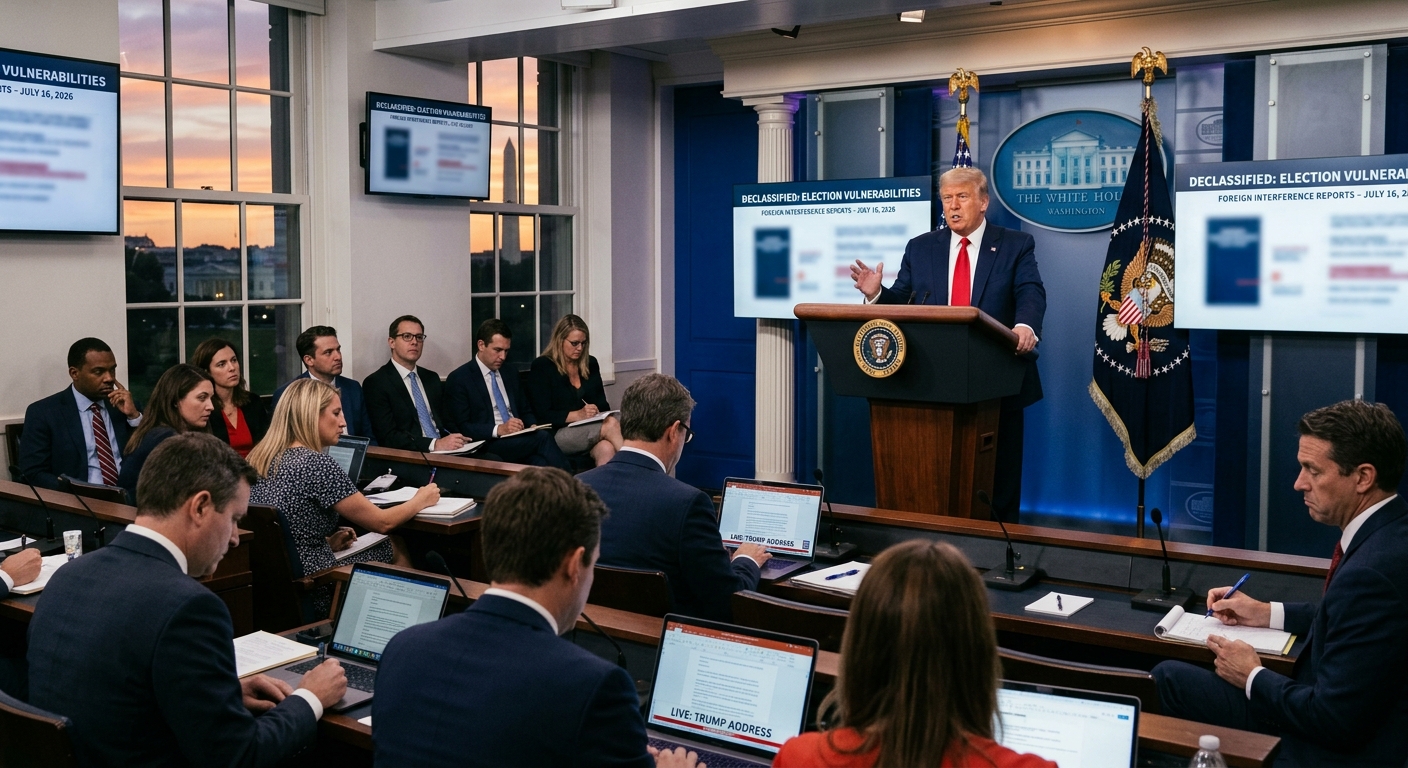
As the nation approaches the 2026 midterm elections, a central political debate revolves around the integrity of the U.S. election system, fueled by recent claims and legislative proposals. Former President Donald Trump delivered a primetime address on July 16, 2026, from the White House, presenting newly declassified documents that he asserted revealed vulnerabilities and foreign interference in American elections. This address aimed to galvanize public support for legislative reforms, specifically the Safeguard American Voter Eligibility (SAVE) Act, which seeks to overhaul voting registration and procedures.
The context for these discussions is shaped by the 2022 midterm elections, which saw unexpected outcomes with Republicans gaining control of the House while Democrats expanded their Senate majority, defying historical patterns. These results reflected evolving demographic patterns and voting methods, including increased youth voter participation and a growing reliance on early or mail-in voting. Consequently, understanding the current political climate requires an assessment of both the specific claims about election security and the broader shifts in the electorate.
Evaluating Claims of Election Vulnerabilities and Foreign Interference
During his July 16, 2026, address, President Trump focused heavily on allegations of systemic vulnerabilities within the U.S. election system and claims of foreign interference, particularly from China. He asserted that American elections were “left vulnerable to being rigged and stolen,” and accused foreign actors, alongside “deep state” elements, of concealing intelligence regarding interference during his first term. The presentation of newly declassified documents was intended to support his argument that the system was “catastrophically short” of necessary security standards, thereby justifying the urgent passage of the SAVE Act.
Despite these assertions, Trump did not provide concrete evidence to demonstrate that the 2020 election outcome or votes were altered, leading to widespread skepticism and fact-checking by election experts. Many of his claims, such as those regarding noncitizen voting, lacked substantial evidence to indicate they represented a significant problem. Critics largely viewed the speech as a strategic move to maintain election security at the forefront of political discourse ahead of the midterms, rather than addressing the public’s immediate priorities, which did not align closely with his emphasized topics.
The speech elicited sharply polarized reactions across the political spectrum, underscoring the contentious nature of election integrity debates. While Democratic leaders dismissed the address as a distraction and an attempt to undermine confidence in the democratic process, some conservative factions strongly supported the legislative push. This division highlights the ongoing challenge in establishing a consensus on election security measures and the credibility of related claims, particularly as the 2026 midterm elections draw closer.
Key Trends from Recent Midterm Elections
The 2022 midterm elections offered significant insights into evolving voter behavior and electoral dynamics, diverging from initial predictions of a substantial “red wave.” Despite expectations, Republicans secured only a modest majority in the House of Representatives, while Democrats surprisingly expanded their control in the Senate. This outcome defied historical patterns where the incumbent president’s party typically experiences considerable losses, indicating a more complex interplay of factors at play.
Voter turnout in 2022 was notably high for a midterm election, with approximately 52.2% of eligible voters participating, marking the second-highest turnout in four decades. Youth voter participation, specifically among those aged 18–29, reached historic highs since the 1970s, contributing significantly to Democratic candidates’ performance. Furthermore, the trend of early and mail-in voting continued to gain popularity post-pandemic, with nearly half of all voters opting for these methods over traditional in-person Election Day voting, reflecting a lasting shift in electoral practices.
Demographic shifts within the electorate also played a crucial role, with the share of non-college-educated white voters declining to 37.7% of all voters, continuing a downward trend observed over the past two decades. This change corresponds with an increasing proportion of white college graduates and nonwhite voters, reshaping the voting landscape across most states. Understanding these evolving population dynamics and voting patterns is essential for assessing future electoral outcomes and the potential impact of legislative changes.
Assessing the Influence of Key Political Appointees
Todd Blanche
Todd Blanche, serving as the acting United States Attorney General since April 2026, has drawn considerable scrutiny due to his close professional ties with former President Donald Trump. Prior to his current Department of Justice roles, Blanche acted as Trump’s personal lawyer, defending him in high-profile legal matters, including prosecutions related to concealed hush-money payments and classified documents cases. This background has led to intense questioning during his confirmation hearings, where senators raised concerns about his handling of sensitive issues.
Blanche has faced allegations of politicizing criminal prosecutions and targeting election officials, which critics argue could undermine voter confidence and suppress turnout ahead of the 2026 midterms. His tenure has been marked by accusations that the Department of Justice’s priorities under his leadership deviate from its traditional role of protecting election integrity and supporting free and fair elections. These concerns highlight the potential for political influence to impact the impartiality and public perception of critical legal institutions.
Jay Clayton
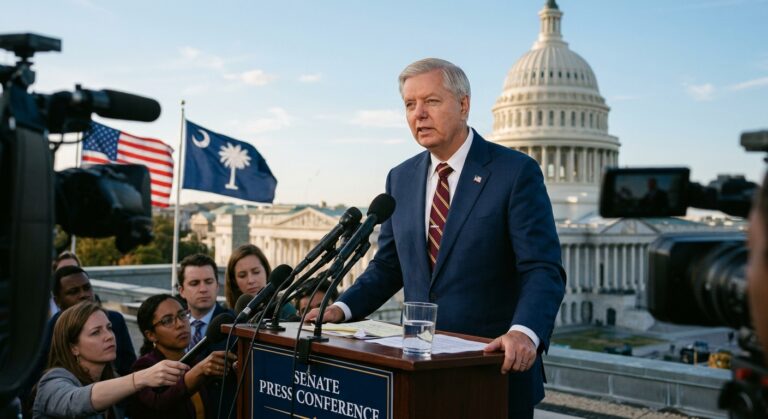
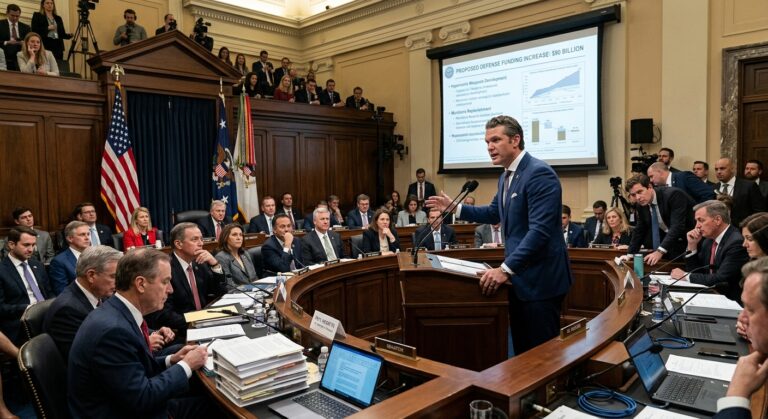
Jay Clayton’s nomination as Director of National Intelligence faced a challenging confirmation hearing before the Senate Intelligence Committee in July 2026, largely due to his lack of direct experience within the intelligence community. Despite his significant legal and regulatory background, including work with the Securities and Exchange Commission, senators repeatedly pressed him to acknowledge former President Joe Biden’s victory in the 2020 election. Clayton’s refusal to do so underscored the broader political tensions surrounding election legitimacy claims.
Senators emphasized the importance of the Director of National Intelligence’s role in “speaking truth to power,” highlighting expectations that the position be held by someone willing to affirm objective assessments of election security and intelligence matters. This controversy during his confirmation process reflects the heightened political polarization and President Trump’s ongoing efforts to cast doubt on election results and push for changes to federal voting laws. The debate surrounding Clayton’s appointment illustrates the critical interplay between political loyalty and the perceived integrity of intelligence oversight functions.
Broader Implications for Election Security and Governance
President Donald Trump’s July 16 speech, delivered just months before the midterm elections, generated significant media scrutiny and highlighted deep partisan divisions over election integrity. While the speech aimed to build public support for legislation like the SAVE Act, critics expressed concern that it sought to undermine confidence in American elections through unsubstantiated claims. The decision by several major broadcast networks not to air the speech in full further underscored the contentious nature of its content and the ongoing debate over media responsibility in a polarized environment.
Analysts view the speech as a strategic effort to keep election security at the forefront of national political discourse and to rally public backing for related legislation. This approach is particularly notable given the historical context of midterm elections, where the incumbent president’s party typically faces significant losses, although the 2022 midterms deviated from this pattern. The ongoing legal controversies surrounding key figures like Todd Blanche and Jay Clayton further complicate this landscape, reflecting the intricate interplay between legal authority, intelligence oversight, and election-related disputes.
Ultimately, the varied responses and media strategies surrounding Trump’s speech underscore the persistent debates over democracy, election security, and governance at a critical juncture for American politics. While specific concerns like noncitizen voting may not broadly resonate with the American public, the address marked a notable moment in ongoing efforts to shape the narrative around election legitimacy. These dynamics are likely to continue influencing political debates and legislative priorities in the lead-up to the 2026 electoral landscape and beyond.
The content is provided by Jordan Fields, Anchor Press