Amid Rising Violence: ICE Suspends Most Traffic Stops in Response to Shootings
Understanding the Shift in ICE Traffic Stop Policy
U.S. Immigration and Customs Enforcement (ICE) has temporarily suspended most vehicle traffic stops conducted by its Enforcement and Removal Operations (ERO) division, marking a significant change in how the agency apprehends immigration enforcement targets. This directive follows two fatal shootings involving ICE agents during traffic stops in Biddeford, Maine, and Houston, Texas, which intensified scrutiny over the agency’s enforcement tactics. Historically, vehicle stops have been a central method for ICE to locate and arrest individuals suspected of immigration violations, often outside their homes or workplaces.
The decision to pause these operations reflects growing concerns over the potential for confrontations, excessive use of force, and racial profiling associated with such stops. While the suspension is described as temporary, it signals a broader reassessment of ICE’s operational approach, particularly in light of public and political pressure for greater accountability. This shift aligns with evolving attitudes toward policing strategies nationwide, where various municipal police departments have also reduced routine traffic stops to address public safety and civil rights concerns.
When ICE Can Still Conduct Vehicle Stops
While most routine traffic stops for general immigration enforcement are suspended, ICE officers are still permitted to participate in vehicle stops under specific circumstances. The suspension does not apply to situations involving serious criminal suspects who are named in judicial warrants. In these cases, ICE agents may still initiate or join vehicle stops, particularly when collaborating with partner law enforcement agencies.
This nuanced approach aims to balance enforcement priorities with heightened caution following recent deadly encounters, ensuring that critical operations targeting individuals with serious criminal backgrounds can continue. However, the primary method for identifying and detaining individuals suspected solely of immigration violations through routine traffic stops has been put on hold. This distinction is crucial for understanding the scope and limitations of the current policy.
New Training, Enforcement Methods, and Oversight
The temporary suspension of vehicle stops is intended to allow ICE personnel to undergo updated training focused on de-escalation techniques, use-of-force protocols, and adherence to constitutional protections. The Department of Homeland Security (DHS) Secretary is overseeing the implementation of this directive, though specific details regarding the duration of the suspension and the timeline for completing new training have not been publicly disclosed. This training is designed to enhance officer safety, improve operational efficiency, and ensure strict compliance with legal and policy standards during enforcement actions.
During this period, ICE maintains that deportation efforts will continue through alternative enforcement methods, shifting away from vehicle-based apprehensions. The agency emphasizes that its officers are trained to apply the minimum force necessary to resolve dangerous situations, prioritizing both public and officer safety, consistent with its existing use-of-force policy from 2023. This adjustment means that individuals targeted for immigration enforcement may still be apprehended, but through different operational strategies that do not involve initiating routine traffic stops.
Addressing Civil Rights and Preventing Racial Profiling
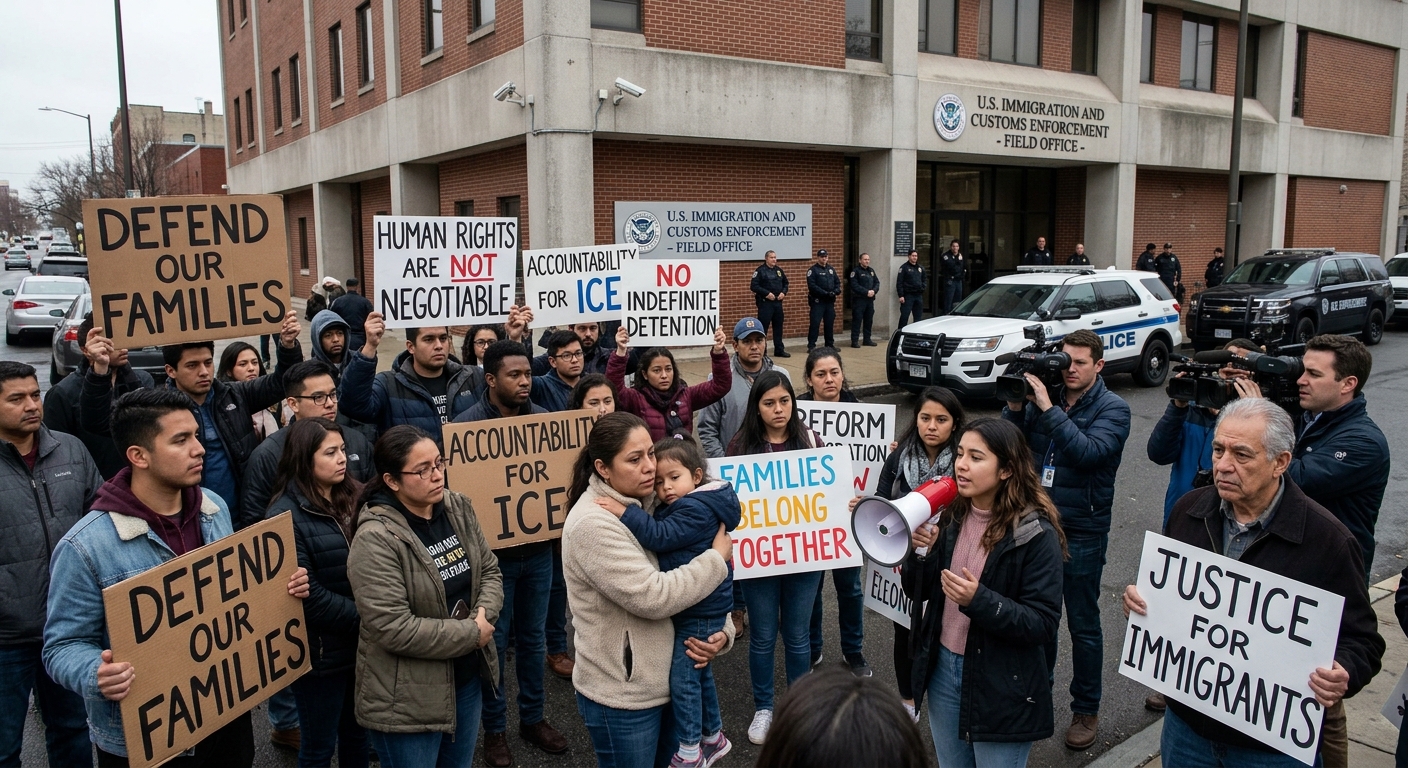
The policy shift also reinforces ICE’s commitment to implementing nationwide policies that prevent arrests and vehicle stops from violating statutory and constitutional protections, with a particular focus on eliminating racial profiling. Legal settlements, such as the Castañon Nava agreement, already mandate ICE to adopt strict guidelines prohibiting stops and collateral arrests based on racial profiling or pretextual traffic violations. These measures are critical in addressing long-standing criticisms that ICE’s aggressive enforcement tactics have disproportionately affected immigrant communities and communities of color.
Concerns about federal immigration agents exceeding their lawful authority, especially through vehicle and street stops without judicial warrants, have frequently raised questions about Fourth Amendment protections. While the U.S. Supreme Court has upheld the permissibility of “pretextual stops” by local law enforcement, allowing them to question occupants about potential immigration status, the current ICE suspension aims to mitigate the risks associated with such encounters. This move reflects a broader effort to balance enforcement objectives with the imperative to uphold civil rights and promote safer, more equitable law enforcement practices.
Broader Trends in Law Enforcement Traffic Stops
ICE’s decision to suspend most traffic stops is part of a wider national trend among law enforcement agencies to reevaluate traffic enforcement practices due to concerns about public safety and civil rights. Many municipal police departments across the United States have already reduced or limited non-safety-related traffic stops to address issues like racial disparities and to enhance community trust. Cities such as Baltimore, New Orleans, and San Francisco have reported significant declines in traffic stops compared to pre-pandemic levels, reflecting a broader evolution in policing strategies.
These changes are often driven by legislative and prosecutorial reforms, with some jurisdictions banning stops based on minor vehicle infractions or district attorneys declining to prosecute offenses stemming from non-public-safety-related stops. Police commissions and departments in various cities have voluntarily adopted more restrictive policies, sometimes in collaboration with local government officials. This broader context underscores a growing recognition that traffic stops, while routine, carry significant implications for community relations and civil liberties, prompting a reevaluation of their role in modern law enforcement.
The content is provided by Blake Sterling, Anchor Press