Understanding Asylum Application Confidentiality
Federal regulations in the United States are meticulously designed to protect the sensitive information provided by asylum seekers, ensuring their safety and the fundamental integrity of the asylum process. Specifically, 8 C.F.R. § 208.6(a) mandates that details from asylum applications, including Form I-589, remain strictly confidential and are generally not disclosed to unauthorized parties, especially foreign governments. This protection is paramount because applicants often flee their home countries due to a well-founded fear of persecution based on factors like race, religion, nationality, membership in a particular social group, or political opinion, and any unauthorized disclosure could place them or their families in grave danger.
These regulations, established under the authority granted to the Attorney General by the Homeland Security Act of 2002, typically permit information sharing only with U.S. government officials or contractors on a strict need-to-know basis and under tightly controlled circumstances. Such limited disclosures are generally for administrative, law enforcement, or civil actions directly related to the asylum claim itself. While asylum applicants undergo rigorous biographic and biometric vetting against national security databases, these extensive measures are intended solely to identify potential security threats and prevent fraud or identity imposters, not to facilitate the sharing of sensitive data with the very governments from which individuals are seeking refuge.
The established protocols for information sharing related to asylum claims, which have been in place since 2010 with allied countries like Canada and Australia, operate under specific agreements that uphold confidentiality. These existing frameworks underscore the distinct and highly protected nature of asylum information, highlighting that any alleged disclosures to non-allied nations, particularly those with hostile diplomatic relations, represent a significant departure from long-standing policy and legal safeguards. The core principle remains that asylum data should never be disclosed to governments responsible for the persecution the applicants are fleeing, as this directly contravenes the purpose of asylum law.
Allegations: How Information Was Reportedly Shared with Iran
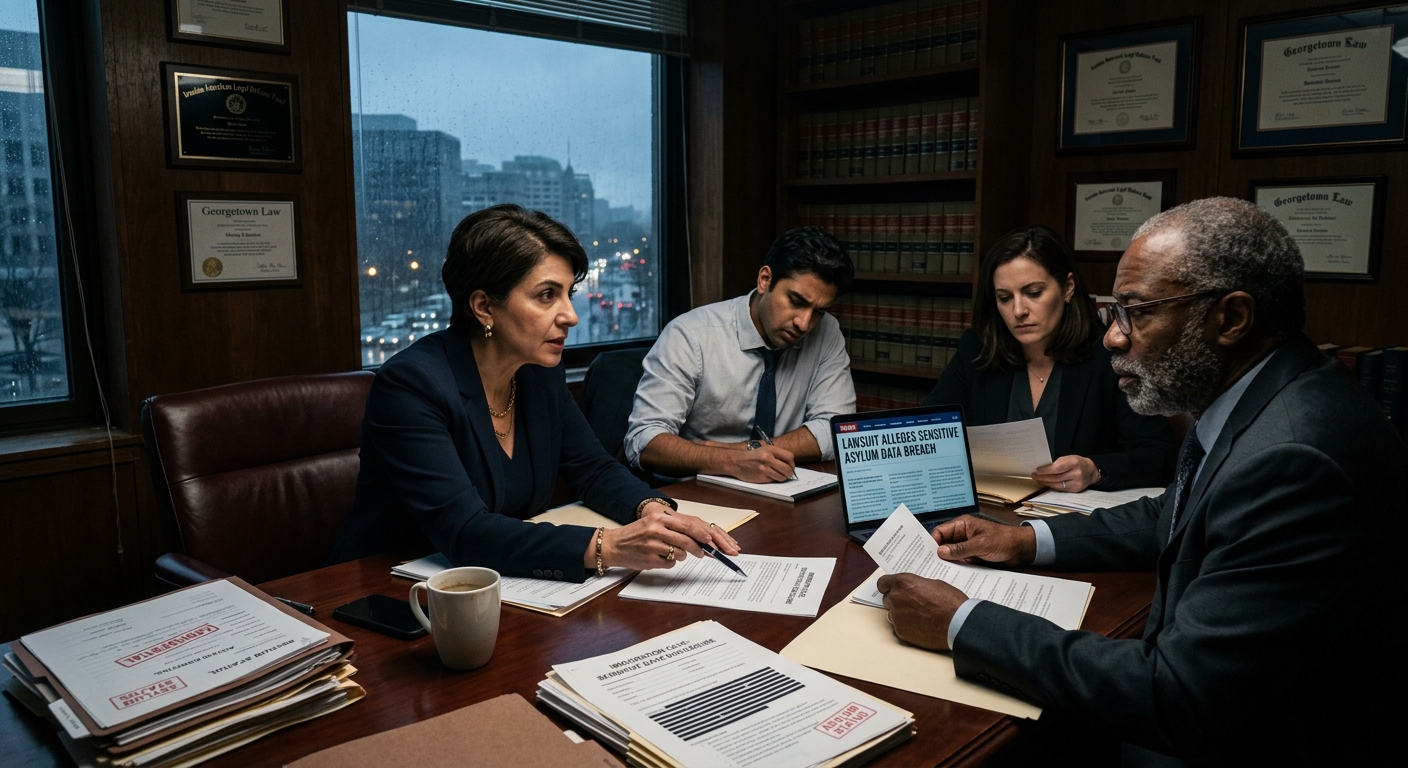
A lawsuit filed in July 2026 by the Iranian American Legal Defense Fund (IALDF) and Public Citizen Litigation Group alleges that U.S. government agencies unlawfully disclosed confidential information from Iranian asylum seekers to Iranian officials. The suit names the Department of Homeland Security (DHS), Immigration and Customs Enforcement (ICE), the State Department, and other officials, including Secretary of State Marco Rubio, as defendants in this significant legal challenge. It claims that these agencies engaged in a coordinated campaign between the U.S. and Iranian governments to identify Iranians in ICE custody and pressure them to return to Iran, an action that starkly contrasts with decades of diplomatic hostility and ongoing conflict between the two nations.
The lawsuit details that these alleged disclosures began in March 2025, with U.S. officials purportedly mailing or hand-delivering immigration records containing highly sensitive information about detained Iranian asylum seekers to Iranian government representatives. These exchanges reportedly occurred during monthly meetings facilitated through the Pakistani embassy, which handles Iranian consular duties in the U.S. The plaintiffs contend that this information sharing continued even after U.S. military actions against Iran in February, highlighting a persistent pattern of alleged breaches of confidentiality that raises serious legal and ethical questions.
The specific types of information allegedly shared include applications for relief, final orders of removal, asylum applications, and determinations of credible or reasonable fear, all of which contain highly personal and case-specific data. Such disclosures, if true, would directly contradict federal regulations, specifically 8 CFR 208.6, which strictly limit who can access asylum information without the applicant’s explicit written consent or specific authorization from the Secretary of Homeland Security. The lawsuit seeks to immediately halt these alleged practices and calls for the appointment of an independent monitor to prevent any future unauthorized sharing of sensitive data, aiming to restore the integrity of the asylum process.
The Risks of Disclosure for Asylum Seekers
The alleged disclosure of confidential asylum information to the Iranian government poses severe and potentially life-threatening risks to Iranian asylum seekers and their families, directly challenging the foundational principles of refugee protection. Many of these individuals have fled Iran due to a well-founded fear of persecution, often as pro-democracy activists, members of religious minorities like Evangelical Christians, or individuals from the LGBTQ community, all groups that face grave dangers in Iran. Revealing their identities, political views, religious affiliations, or family connections to the very government they are seeking protection from could expose them to persecution, torture, or even death upon forced return to Iran, thereby undermining the core purpose of asylum.
Beyond the immediate physical dangers to the asylum seekers themselves, such disclosures could also endanger family members and acquaintances who remain in Iran, as authorities might use the shared information to target them, creating a ripple effect of fear and insecurity. This situation creates a profound sense of betrayal and fear, eroding the fundamental promise of safety and confidentiality that is central to the U.S. asylum system and on which applicants rely when submitting their claims. The lawsuit specifically highlights that this alleged breach jeopardizes not only their safety but also the integrity of the U.S. refugee system itself, which is predicated on the promise of protection and confidentiality.
Legal advocates and human rights groups have voiced significant concern, arguing that these alleged actions constitute a grave breach of confidentiality protections guaranteed under federal regulations and human rights obligations. They emphasize that any practice of providing sensitive details through diplomatic channels, such as monthly meetings with Iranian officials via the Pakistani embassy, directly exposes vulnerable individuals to unacceptable risks, especially given the worsening situation for political dissidents and minorities in Iran as documented in annual U.S. State Department human rights reports. The unfolding legal battle underscores the critical importance of upholding asylum seekers’ confidentiality to protect their fundamental rights and safety in the face of political persecution.
U.S. Government’s Official Stance and Counterarguments
In response to the serious allegations, the Department of Homeland Security (DHS) and Immigration and Customs Enforcement (ICE) have categorically denied sharing asylum application records with the Iranian government. A DHS spokesperson labeled the claims as “FALSE,” emphasizing the agencies’ commitment to protecting immigrant rights and ensuring that undocumented individuals are informed of their rights to communicate with their consular representatives. This official stance aims to reassure the public and asylum seekers that established protocols for confidentiality are being upheld, despite the controversy surrounding the lawsuit.
However, the lawsuit presents compelling counter-evidence that directly challenges these denials, intensifying scrutiny of U.S. information-sharing practices and oversight mechanisms. Plaintiffs cite testimonies from deportees who reported that Iranian officials demonstrated knowledge of specific details from their U.S. asylum applications, suggesting that confidential information had indeed been shared. Furthermore, the lawsuit includes an account from an Iranian government official assigned to the Pakistani embassy, which reportedly lends additional credibility to the plaintiffs’ assertions about the alleged disclosures, creating a significant factual dispute.
Legal experts representing the plaintiffs have underscored that both Department of State and DHS regulations explicitly forbid ICE officials from sharing information derived from asylum applications with foreign governments, especially those with hostile diplomatic relations like Iran. They argue that the alleged disclosures, if proven, would not only violate these strict confidentiality protections but also contravene established U.S. law and policy, placing vulnerable individuals at unacceptable risk. This ongoing dispute highlights a significant divergence between the government’s official position and the detailed claims brought forth in the legal challenge, prompting broader debates about the intersection of national security, diplomatic relations, and human rights.
Broader Concerns for Asylum System Integrity
Beyond the immediate legal battle, this lawsuit raises significant concerns about the overall integrity of the U.S. asylum system and the trust placed in its confidentiality protections, which are vital for those seeking refuge. The alleged breach could profoundly undermine the confidence of current and future asylum seekers, potentially making them hesitant to provide the full and truthful information necessary for their claims, thereby jeopardizing the effectiveness and fairness of the entire system. This erosion of trust could have lasting consequences for the United States’ reputation as a safe haven for those fleeing persecution and for its adherence to international human rights norms.
The case also draws critical attention to potential systemic cybersecurity vulnerabilities within immigration agencies, where expanding federal surveillance mandates may be outpacing the development and implementation of robust data protection measures. Reports suggesting reductions in training for new federal agents, coupled with an expansion of surveillance, could further weaken oversight mechanisms and safeguards intended to protect sensitive personal information within these complex systems. Such vulnerabilities underscore an urgent need for strengthened cybersecurity protocols and adequate training to prevent unauthorized disclosures and ensure the security of the vast amounts of personal data collected during immigration and asylum processes.
Ultimately, this controversy highlights a troubling tension between national security interests, diplomatic practices, and fundamental human rights obligations, particularly in the context of hostile diplomatic relations with countries like Iran. The lawsuit underscores the critical importance of upholding U.S. refugee protection commitments, as established under the Refugee Act of 1980 and related international conventions, and ensuring that diplomatic engagements do not inadvertently compromise the safety and confidentiality of vulnerable individuals. The outcome of this case may prompt a comprehensive reevaluation of interagency and diplomatic protocols to better align them with human rights norms and the foundational principles of asylum law, ensuring that confidentiality is not sacrificed in the conduct of foreign relations.
The content is provided by Blake Sterling, Anchor Press