Former Senate Parliamentarian Alan Frumin Stands Up for His Successor, Elizabeth MacDonough
Summary of Alan Frumin’s Legacy
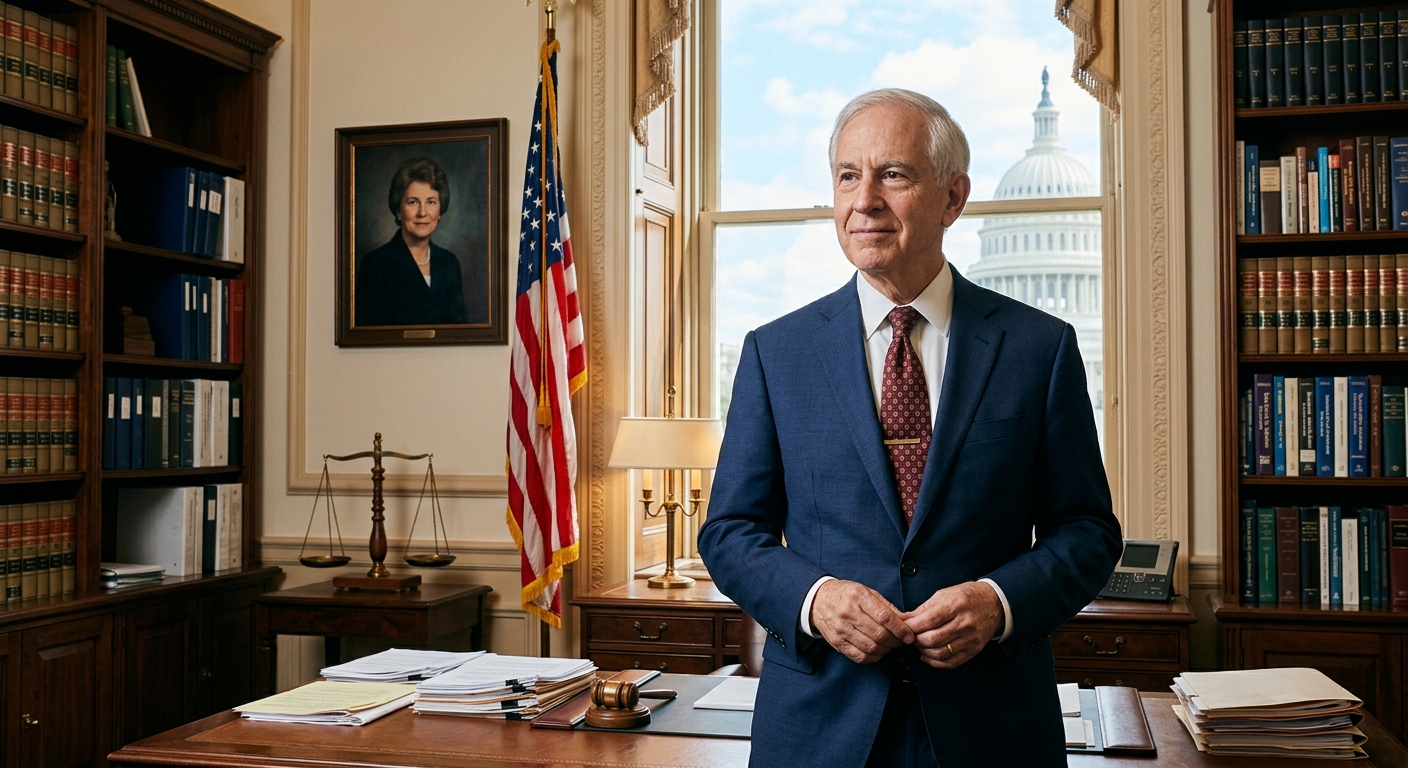
Alan Scott Frumin is noted for his nearly two decades as the Senate parliamentarian, where he exhibited nonpartisan service by interpreting complex procedural rules. His unique distinction of being appointed by both Democratic and Republican majorities emphasizes his bipartisan credibility. Frumin’s crucial decisions during the 2010 healthcare reform, particularly regarding budget reconciliation, played a vital role in the enactment of significant legislation, underscoring the parliamentarian’s influence on legislative outcomes.
Post-tenure, Frumin has actively supported his successor, Elizabeth MacDonough, particularly during political controversies over her impartial rulings. His advocacy emphasizes the importance of the parliamentarian’s independent role in the face of partisan pressures. This legacy of nonpartisan professionalism remains critical in maintaining effective Senate operations amid increasing political disputes.
The Role and Importance of the Senate Parliamentarian
The Senate parliamentarian serves as the official advisor on the interpretation of the Senate’s Standing Rules and precedents, playing a critical role in guiding the legislative process. Given that senators may not fully grasp complex parliamentary procedures, they heavily rely on the parliamentarian’s rulings which influence the trajectory of legislation. This reliance highlights the importance of the parliamentarian’s nonpartisan expertise, especially as they navigate the politically sensitive terrain of Senate procedures.
Appointed by the Senate majority leader, the parliamentarian’s authority underscores a crucial balance between impartiality and political influence. The role demands significant expertise acquired through years of experience, with few individuals possessing the skill set required to effectively interpret Senate rules. Frumin’s tenure exemplifies this necessity, showcasing how a skilled parliamentarian can uphold legislative integrity amid external pressures.
Frumin’s Transition to MacDonough
Frumin’s transition to MacDonough marked a significant continuity of nonpartisan expertise within the parliamentarian’s office. Frumin has publicly defended MacDonough’s impartiality and competence, asserting that she fulfills the demanding expectations of the role. His remarks reflect a belief in maintaining a history of unbiased guidance essential for navigating the complexities of Senate procedures.
The transition period saw MacDonough facing significant political scrutiny which, according to Frumin, stems from her adherence to Senate rules over political expediency. This reinforces a tradition of maintaining an independent office devoted to procedural integrity despite the challenges presented by partisan interests.
Procedural Challenges During Their Tenures
The transition from Frumin to MacDonough highlighted several significant procedural disputes, illustrating the tension between impartial rulings and political pressures. MacDonough faced backlash, including calls for her dismissal, after key rulings that limited the funding mechanisms favored by partisan leaders. Frumin’s steadfast defense of her decisions indicates a commitment to the long-standing principles governing the parliamentarian’s office, showcasing the dedication to procedural fidelity amidst partisan conflict.
The role’s sensitive nature is further demonstrated by ongoing challenges such as MacDonough’s interpretation of budget reconciliation rules, which spurred debates over legislative procedures. These instances emphasize the critical role the parliamentarian plays in guiding Senate operations while resisting partisanship, maintaining the office’s integrity in turbulent times.
Frumin and MacDonough’s Lasting Impact
Frumin’s extensive and bipartisan service as Senate parliamentarian set a high standard for procedural integrity within the institution. His legacy is marked by the pivotal role he played in significant legislative debates, including during the 2010 healthcare reform where he underscored the parliamentarian’s influence in shaping critical legislation. The endorsement of MacDonough reflects a continuation of Frumin’s commitment to nonpartisan expertise in the face of political challenges.
Both Frumin and MacDonough’s tenures remind us of the vital role the parliamentarian plays in upholding Senate order and procedure. Their collective efforts emphasize the importance of impartial, experienced guidance in legislative processes, reinforcing the parliamentarian’s essential contribution to maintaining fairness and order in the Senate’s operations.
The content is provided by Blake Sterling, Anchor Press